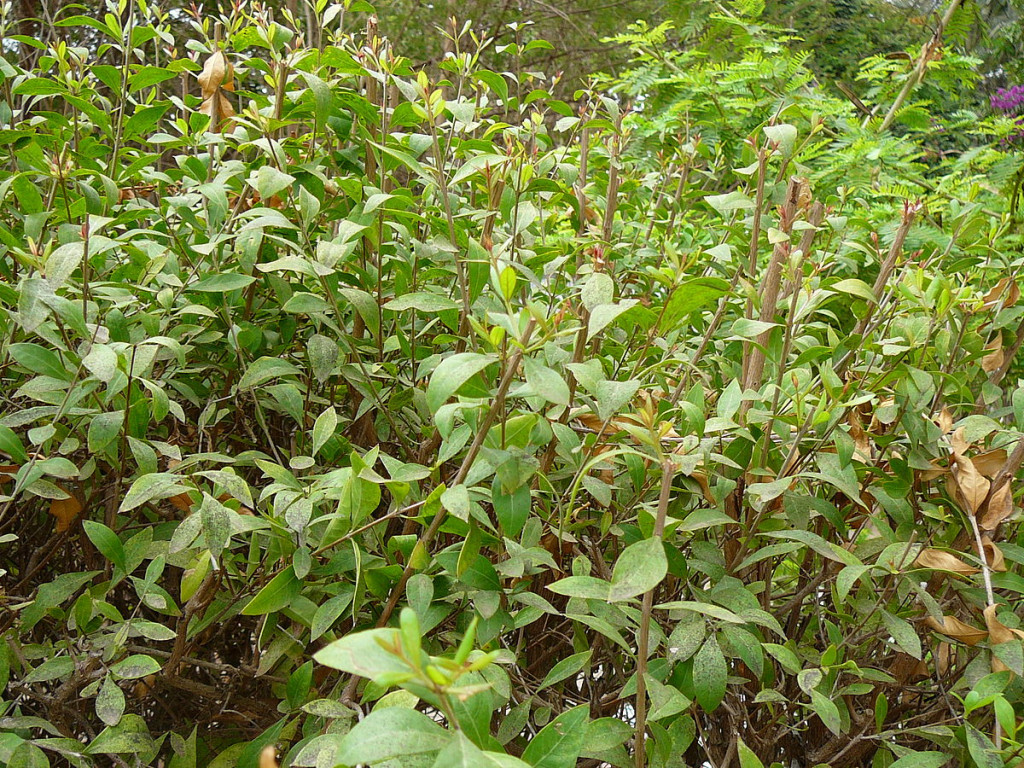
Henna is a natural dye that comes from a plant called Lawsonia Inermis. It is used to make beautiful henna body art. When the leaves of the plant are dried, they are called henna. The plants grow in warm countries like India, Pakistan, the Middle East and Africa.
If you are after a temporary tattoo on the body, henna is quick and easy to apply on the skin. The dye is natural and safe to use. It has a reddish brown colour and it can be used on the skin, hair and for colouring fabrics. Henna is also known as Mehndi in India and Pakistan.
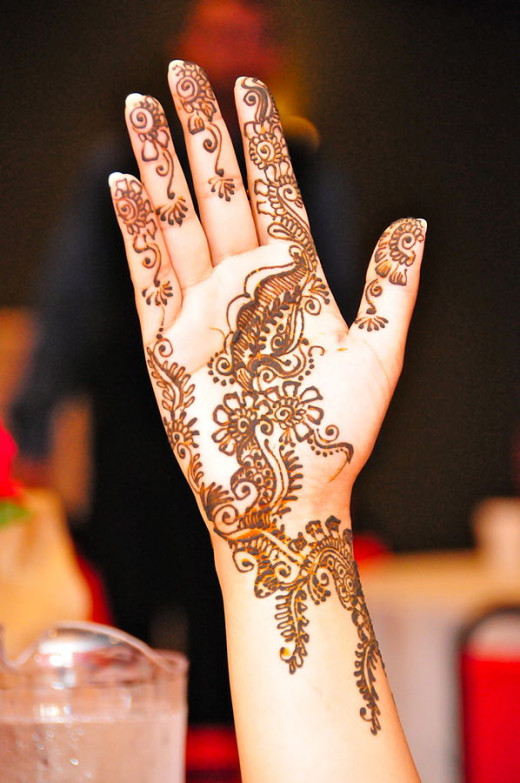
Mehndi is a traditional body art of temporary designs and tattoos. This form of art is found in cultures in South Asia, the Mediterranean, the Middle East, and Northern Africa.
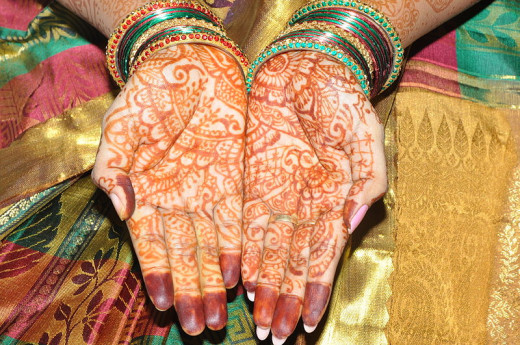
The decoration of body art can be seen in weddings and other social ceremonies. It is a symbol of beauty, joy and luck when used on these special occasions.
Mehndi tattoos and designs have become a fashion trend in the western countries, where people wear intrinsic decorations on their skin for fun and look beautiful.
PPD is used in the manufacture of hair dye and it is a banned substance in many countries. It is a dangerous man-made chemical dye that stains the skin black. It will cause a severe allergic reaction and permanent scarring for people with sensitive skin.
PPD sensitivity is lifelong. Once you are sensitized with PPD, you will have sensitive reactions to many other chemicals. The allergy will worsen every time you come in contact with the chemicals.
Always use natural henna powder. Henna painting is safe if all the ingredients used are natural. The colour of natural mehndi varies from coffee brown to brownish red colour on the skin. There is no such thing as a natural black mehndi!
If the dye stain turns out to be black, then the dye has been mixed with a dangerous chemical called p-Phenylenediamine (PPD).
Just be cautious if you are buying ready-made mehndi ink. Always insist on natural products.
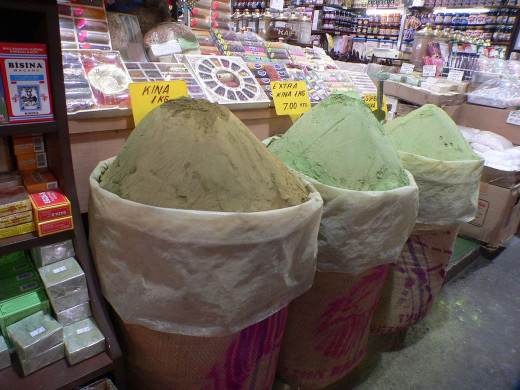
Natural mehndi powder has to be mixed into a dark coloured paste before it can be used for making temporary tattoos on the skin. Essential oils, citrus juice, tea or water is added to make a thick henna paste.
Mehndi powder can be stored in a cool, dark place for a couple of years. After the henna powder has been mixed into a paste, it can be kept chilled in the refrigerator for about four weeks.
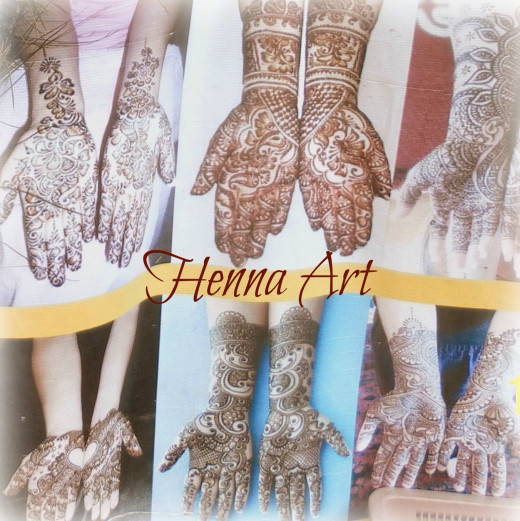
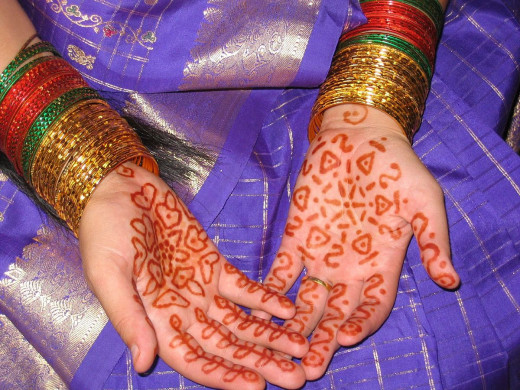
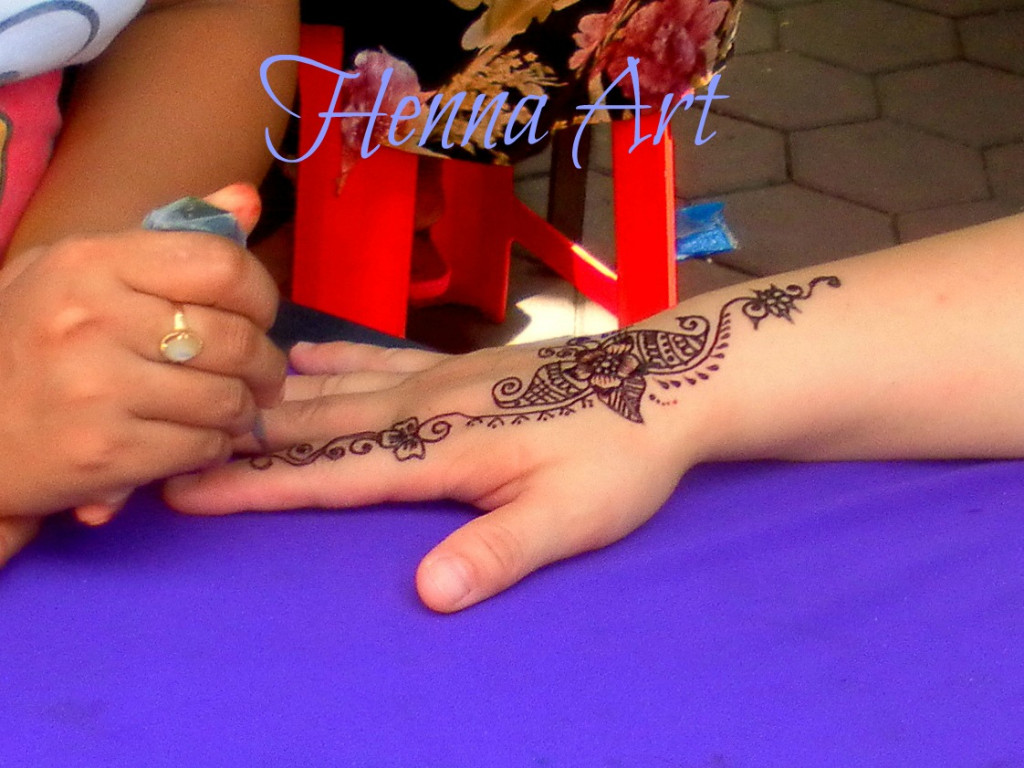
Henna stains the upper layer of the skin when it is applied to the skin. The temporary tattoo designs can be drawn with a mylar cone filled with henna paste. A squeeze bottle with a small nozzle, a paint brush or a toothpick can also be used.
To make a tattoo design, apply henna paste to the skin by drawing a nice pattern and let the paste remain on the skin for as long as possible. Do not wash the paste off with water. Peel off or gently scrape off the dried paste.
It can take somewhere between 30 minutes to 2 hours to dry depending on the body temperature and surrounding temperature. The size and complexity of the tattoo design also affects the drying process.
When the dried paste is removed, a brownish stain is left on the skin. This colour will darken over the next couple of days, but will eventually fade off after a week of wash.
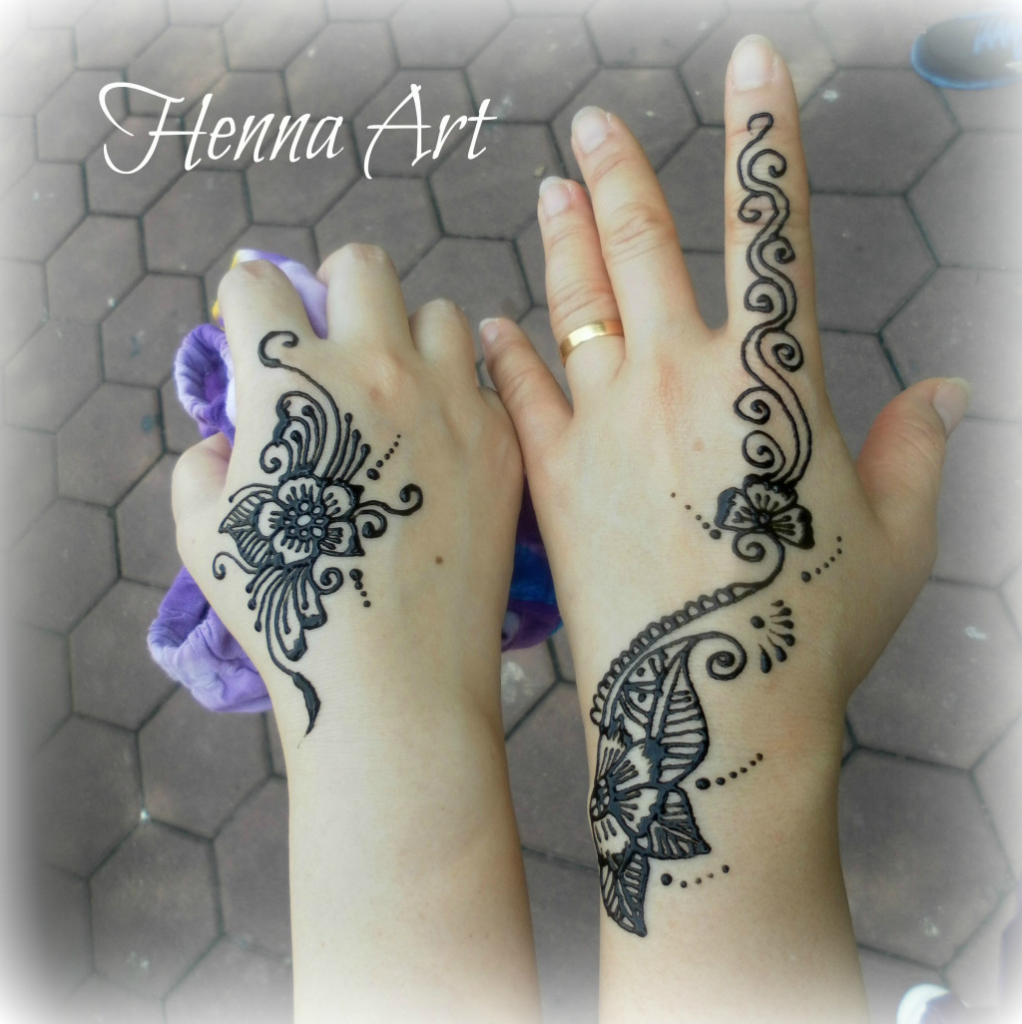
Most henna tattoos last about a week but a good quality henna tattoo can up to three weeks. It also depends on the skin of the person and body temperature. The longer the paste is left on to dry, the better the mehndi stain will stay on the skin.
The temporary tattoo will wash off more quickly if it is subjected to frequent washing, soaking and scrubbing. The stain will fade gradually as you wash with soap and water. To prolong the stain, apply lip balm over the tattoo.
First of all you must have some henna powder to make the henna paste. If you can’t get henna powder from the shops, natural henna powder is available online from eBay and Amazon.com.
The following video shows how to make henna paste and then fill a cone with the paste.
Before you start applying the henna paste on your skin, practice tracing some tattoo designs on a sheet of paper. After you have created the design you like, copy and draw the design directly on the skin with a Stabilo Aquarellable pencil (or any washable marker or even an eyebrow pencil). Finally, just apply henna over the design, it should be quick and easy.
With a bit of practice, you should be able to draw your henna designs directly on the skin without using the marker.
© 2014 lady rain
About the author

Lady Rain lives in Australia and enjoys writing about travels, paper quilling crafts and historical events.