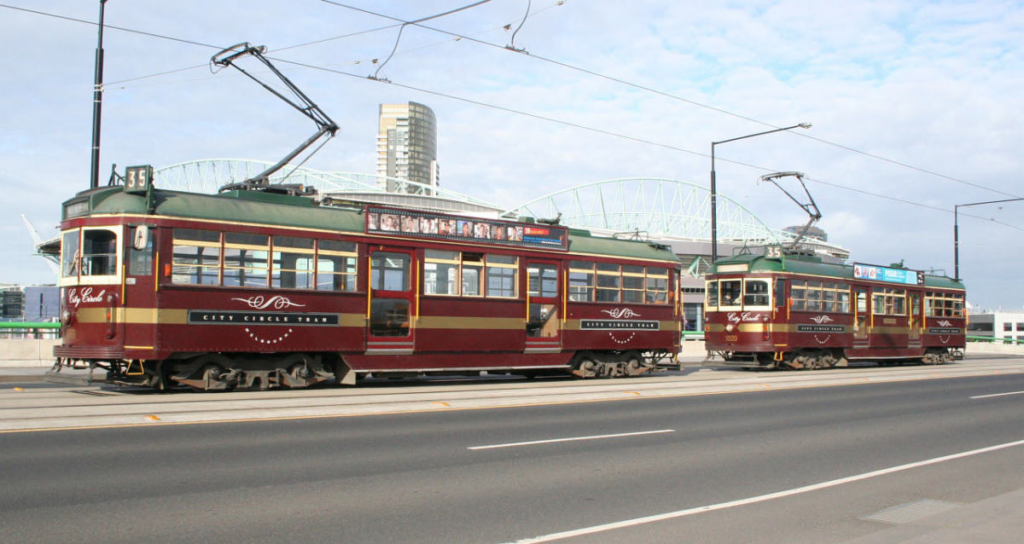
Melbourne is the capital city of Victoria, Australia. Victoria is in the southeastern part of the country, and Melbourne sits at the mouth of the Yarra River, where the river flows into Port Phillip Bay.
Melbourne is a rapidly growing city of nearly 5 million. The climate, good infrastructure, political stability, education, business conditions, and health care services have helped Melbourne rank as the world’s most livable city for seven years in a row, according to an index in The Economist magazine.
The city also attracts millions of visitors every year, from within Australia and from other countries, making it one of the most popular Australian destinations. The City Circle Tram is a free streetcar service in Melbourne’s central business district. The historic trams, liveried in maroon and gold, pass major tourist attractions and link with the city’s broader network of trams, trains, and buses. This makes it easy for visitors to enjoy Melbourne’s many attractions.
Here are the top places to see in Melbourne that should be on your Melbourne bucket list!
| Flinders Street Station | Port Melbourne | Lygon Street | Hedgend Maze |
|---|---|---|---|
| Queen Victoria Market | Yarra River Cruises | Smith Street | Phillip Island |
| The Crown | Chapel Street | Cook’s Cottage | Grampians National Park |
| Docklands | The Melbourne Museum | Old Melbourne Gaol | Great Ocean Road |
| Luna Park | St. Paul’s Cathedral | Kingsbury Drive Community Market | The Twelve Apostles |
| Chinatown | St. Patrick’s Cathedral | Cooper’s Settlement Children’s Farm | Mornington Peninsula |
| Eureka Skydeck | South Wharf | Puffing Billy | Enchanted Adventure Maze Garden |
| Shrine of Remembrance | Melbourne Convention and Exhibition Centre | Mount Dandenong | Degraves Street |
| Sea Life Melbourne Aquarium | Polly Woodside | Yarra Valley Dairy | Royal Botanic Gardens |
| Federation Square | Sandridge Bridge | Warratina Lavender Farm | Tesselaar Tulip Festival |
| Melbourne Zoo | Scienceworks | Healesville Sanctuary | Immigration Museum |
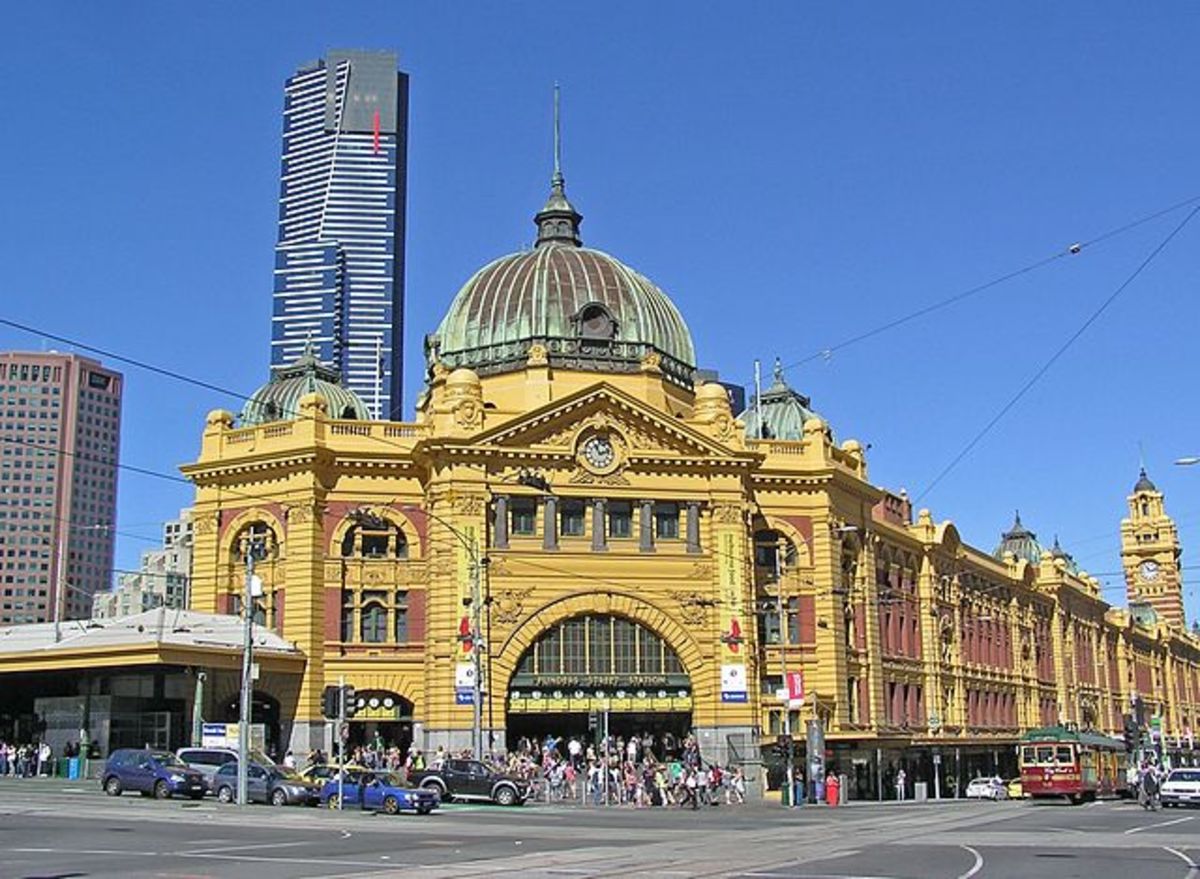
Historic Flinders Street Station, Australia’s first railway station, with the Eureka Tower skyscraper in the background. Source: Donaldytong, public domain, via Wikimedia Commons
Flinders Street Station is an iconic building on the corner of Flinders and Swanston Streets in the central city. It is the central railway station for the train network that services the suburbs of Melbourne. Opened in 1854, Flinders was Australia’s first railway station.
By 1926, it was the world’s busiest train station, surpassing Gare Saint-Lazare in Paris and Grand Central Station. In 1922, some 200,000 passengers passed through the station in just one day.
Interesting facts about Flinders Street Station:

The Queen Victoria Market is the largest open-air market in the city. Also called the “Vic Market” or “Queen Vic,” the market features many stalls selling all kinds of items, from meat, seafood, fruits, and vegetables to crafts, plants, souvenirs, clothes, jewelry, toys, shoes, pets, hardware tools, watches, gadgets, and lots more.
First opened as a retail market in 1874, the Queen Victoria Market is protected as Melbourne’s largest and most intact 19th-century market. The Meat Hall, constructed in 1869, is still largely intact and is the oldest of the original buildings. Visitors can get the feel of what it was like to shop on a 19th-century street by visiting the stalls along Elizabeth and Victoria Streets, which were built between 1882 and 1891.
If you go, be sure to pick up a jam doughnut! The market is famous for its van that sells hot doughnuts filled with jam.
Note: The market is closed on Mondays, Wednesdays, and most public holidays.
The Crown is a huge entertainment complex next to the Yarra River in the heart of the city. Set along the south bank of the river between Queens Bridge and Princes Bridge, the area features cinemas, shops, restaurants, cafes, nightclubs, hotels, shops and the Crown Casino. Visitors can eat, relax at a cafe overlooking the river, try their luck at the casino, or simply stroll along the Southbank Promenade.
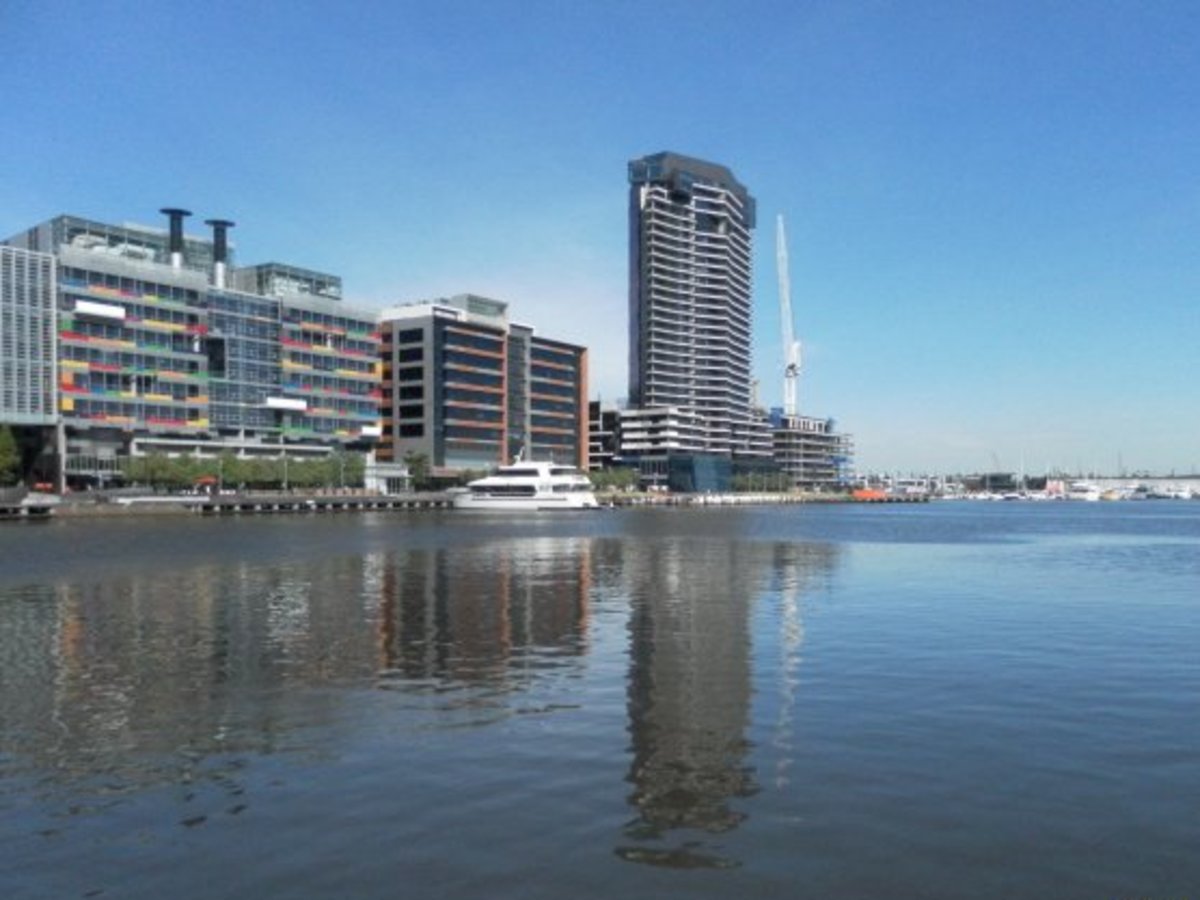
Docklands is a large inner suburb situated along Victoria Harbour, about 2 km from Melbourne’s Central Business District, or CBD. This is Melbourne’s waterfront, featuring prominent buildings including the Etihad Stadium, Seven Network broadcasting centre, Costco, and Harbour Town at the Waterfront City. Waterfront City is an entertainment and shopping hub, with restaurants, cinemas, bowling alleys, boutiques, and amusement fairs.
Take a ride on the Melbourne Star Observation Wheel and take in the view of the city, Port Phillip Bay, and Dandenong Ranges.
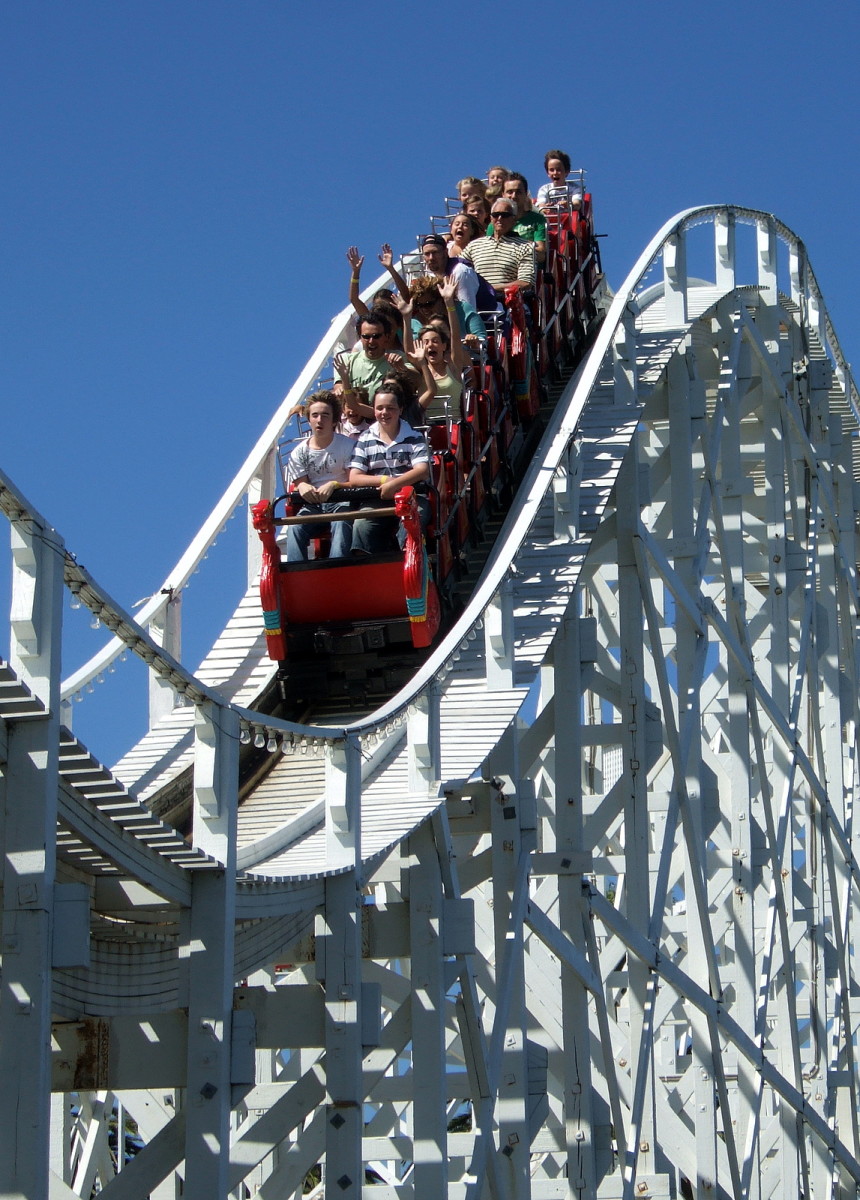
Luna Park is a historic amusement park on the banks of Port Phillip Bay. It opened in 1912 and has been operating continuously ever since.
The park features the world’s oldest operating roller coaster, the Scenic Railway. Opened in 1912, this roller coaster is one of only three in the world that require a brakeman to stand in the middle of the train.
Built a year later than the Scenic Railway, the Magical Carousel features a large Limonaire Freres band organ in its centre, which was made in 1909. There are 68 horses and chariots, and each horse has a name.
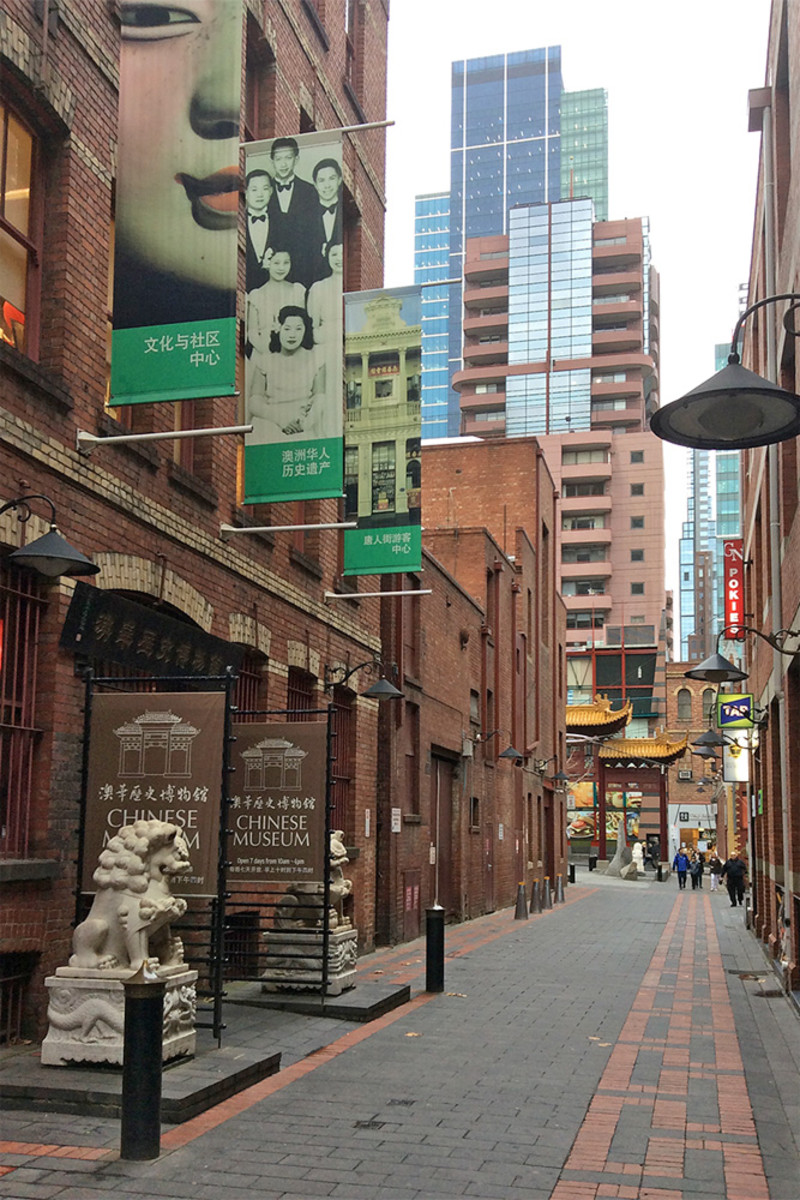
Melbourne’s Chinatown dates back to the first Australian Gold Rush in 1851 when prospectors from China arrived in the country. Located at the eastern end of Little Bourke Street, Chinatown extends to the corners of Swanston and Spring Streets.
A pedestrian-friendly neighborhood of laneways, alleys, restaurants, and markets, Melbourne’s Chinatown is the oldest continuous Chinese settlement in the West and the oldest in the Southern Hemisphere.
The neighborhood is home to the Chinese Museum, which is home to Dai Loong and the Millennium Dragon, the largest Chinese dragon in the world.
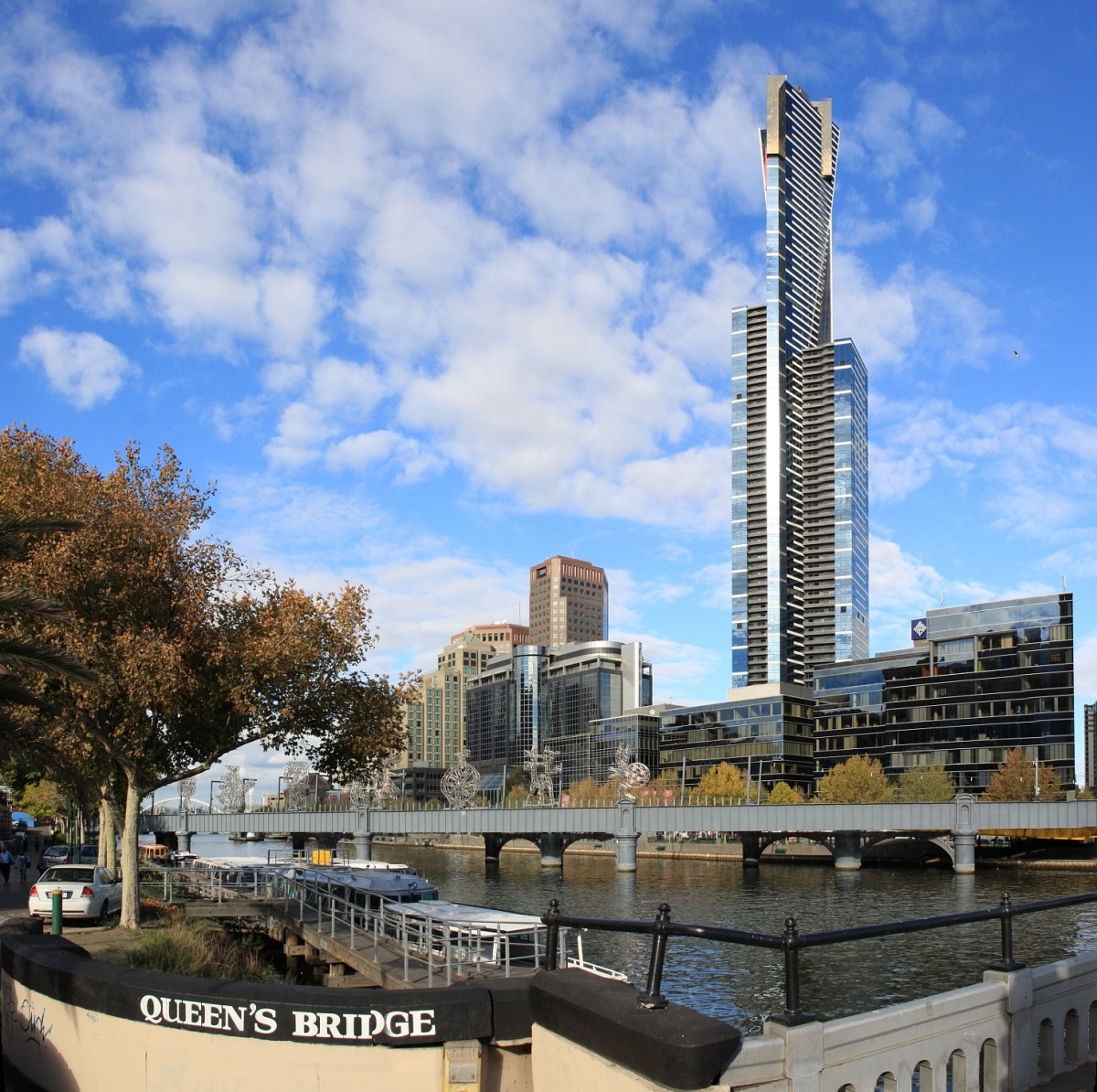
Get a view of Melbourne from the Eureka Tower Skydeck. The tower was the world’s tallest residential skyscraper until it was surpassed by a tower in Dubai. It is the second tallest building in Australia. The Skydeck is the entire 88th floor and is the highest public viewing area in a building in the Southern Hemisphere. There is a small outdoor viewing area called The Terrace, which is closed in high winds, and another area called The Edge, a glass cube projecting three metres out from the building.

Located on St Kilda Road, the Shrine of Remembrance was established as a memorial site for the 114,000 men and women of Victoria who served and died in the Great War from 1914 to 1918. Today, it is a memorial to Australians who have served in all wars.
An aperture on the sanctuary’s roof allows a ray of light to shine on the word love, which is inscribed on the Stone of Remembrance, at exactly 11 a.m. on Remembrance Day, 11 November.
Bring your children to Sea Life Melbourne Aquarium for an educational and entertaining tour of the underwater world. Touch some sea urchins and starfish at the touch pool, watch sharks and other fish dive for food during their feeding times, and walk through the Oceanarium to discover many species of marine creatures.
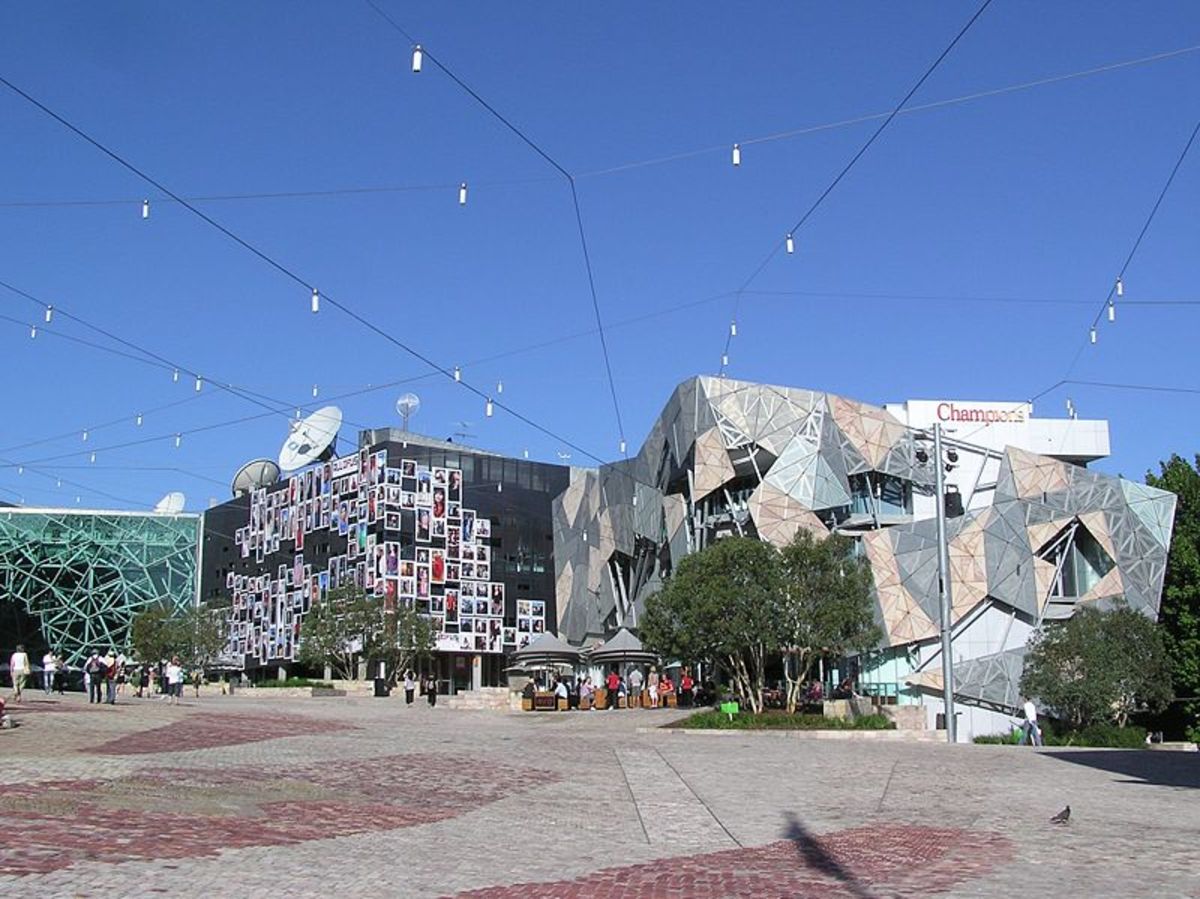
Federation Square was established in the 1960s but redeveloped in the ’90s to serve as a town square for Melbourne. It is located opposite Town Hall, at the corner of Swanston and Flinders Streets.
Look to this square for major cultural institutions, including the National Gallery of Victoria, ACMI (Australian Centre for the Moving Image), and SBS TV and Radio Headquarters. The unusual architecture surrounding the plaza attracts visitors who can spend time in cafes, bars, restaurants, and shops.
Babies and toddlers will enjoy their day at the Melbourne Zoo. Meet Mali and her baby brother Ongard, the first elephants to be born at the zoo in 2010. See other wildlife animals like the tree kangaroo, brown bear, snow leopard, and many more.
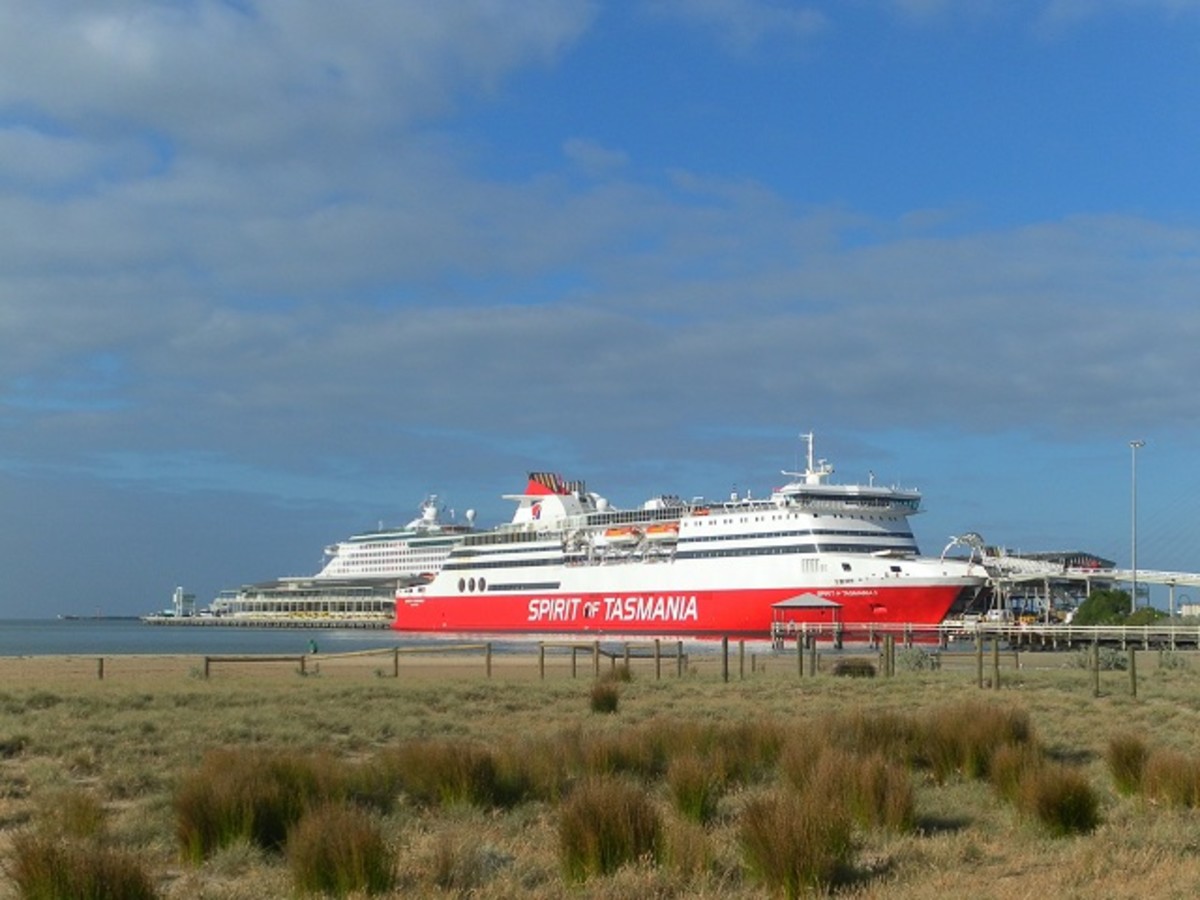
Board the tram from the city to Port Melbourne. Relax with a cuppa at one of the cafes. Take a stroll along the beach and enjoy the sea breeze. The Station Pier at Port Melbourne is the sea passenger terminal for cruise ships and navy ships.
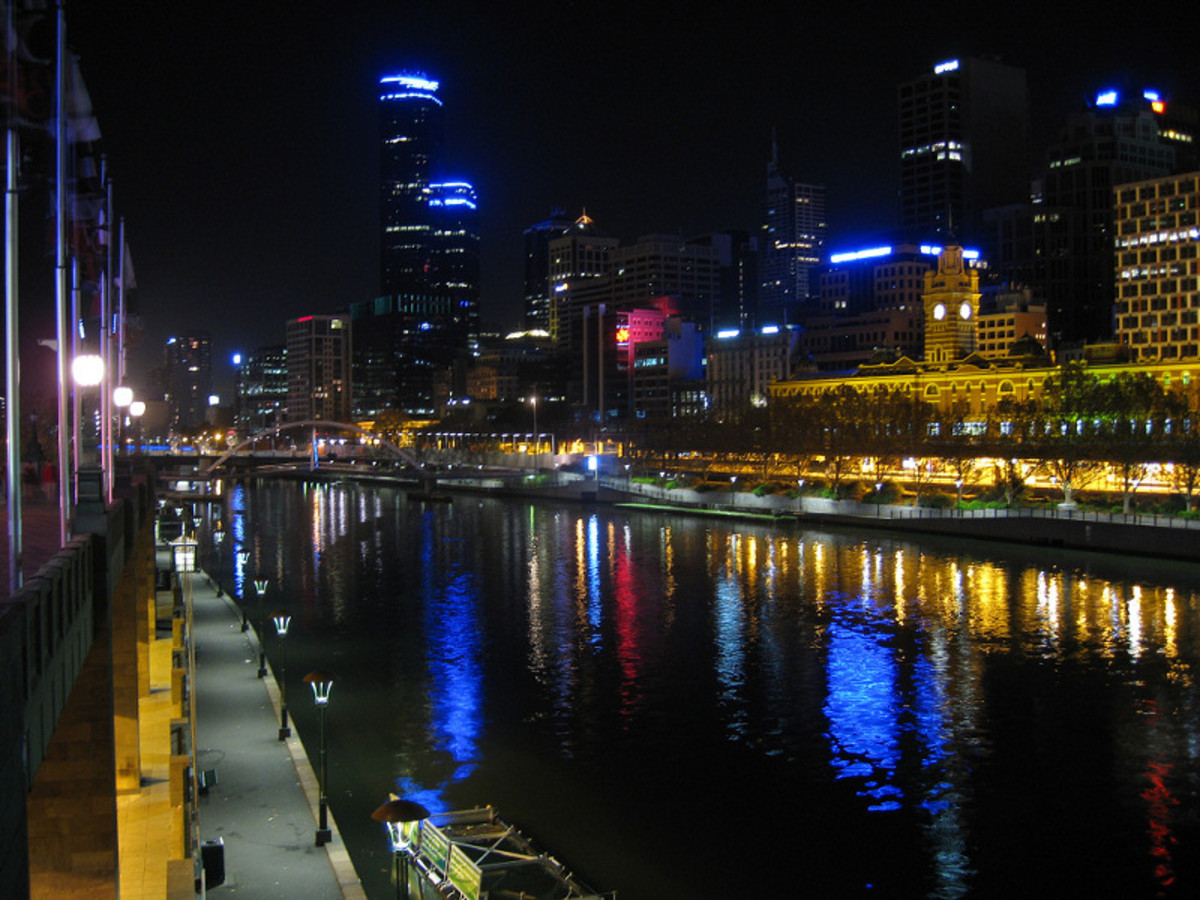
Experience Melbourne from the water. Go on a sightseeing cruise on a ferry and enjoy spectacular views of the city as the ferry cruises by Williamstown and the Docklands. Tour companies offer cruises of different areas, including the port and Docklands, river gardens, Melbourne Heights, and twilight tours during the summer.
Chapel Street is made up of boutiques, shops, restaurants, and entertainment centres. There are a number of sites of interest, including the Prahran Town Hall, the Jam Factory, and Prahran Market. Nearby is the Melbourne Bowling Club, the first bowling club in Australia.
The Melbourne Museum features exhibits of art and textiles from around the world, including work from Egypt, China, and the Vikings. There are numerous galleries, including aboriginal exhibits, a gallery for children, an amphitheater, a discovery centre, a souvenir shop, and a cafe.
The Melbourne Museum is part of Museums Victoria, which also includes Bunjilaka Aboriginal Cultural Centre, IMAX Melbourne, Scienceworks, Melbourne Planetarium, the Immigration Museum, and the Royal Exhibition Building.
The Immigration Museum on Flinders Street has a collection of resources and information relating to the history of immigration in Australia. It has education programs and excursions for school students on immigration and diversity in Australia.
Located on the corner of Swanston and Flinders Street diagonally opposite the Flinders Street Station, St Paul’s Cathedral is a major landmark. It has a yellow-brown colour because it was built from sandstone and limestone.
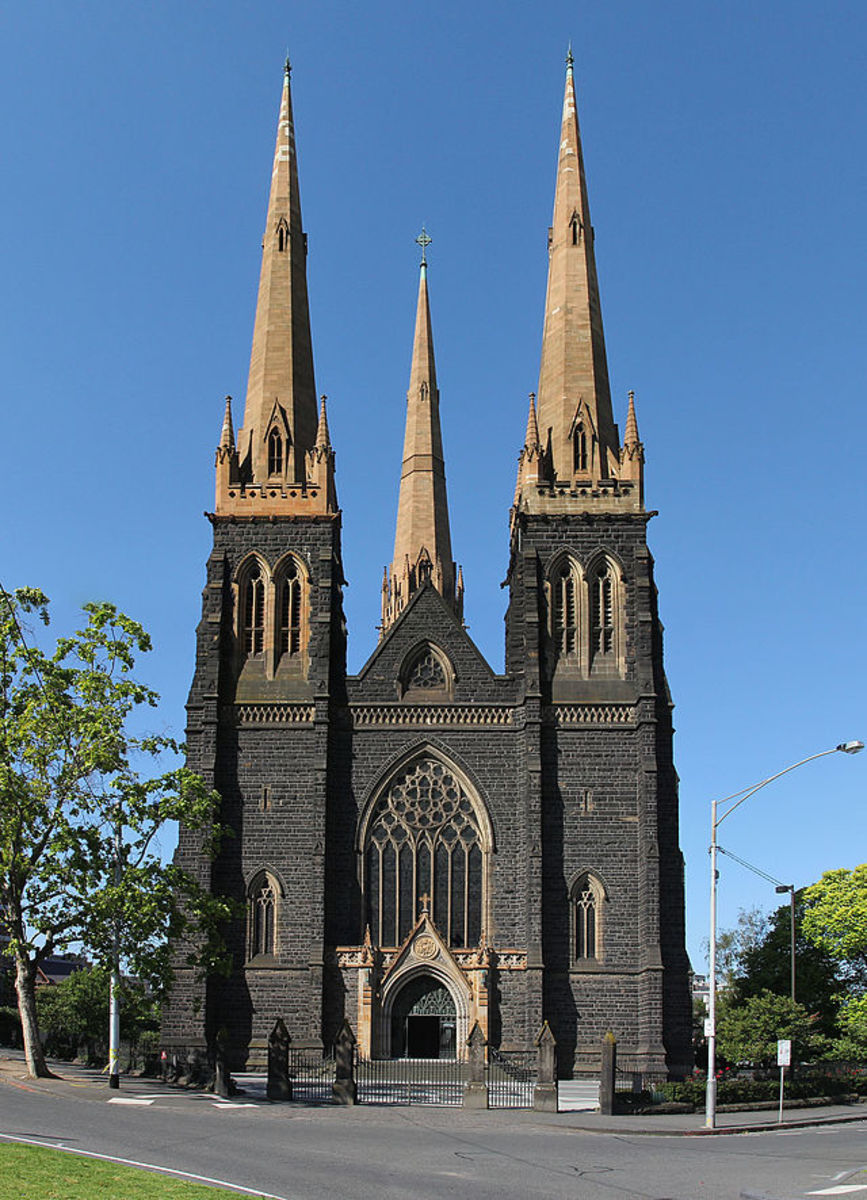
Another major cathedral in Melbourne city is St Patrick’s Cathedral. It is the tallest church in Australia, followed by St Paul’s Cathedral. The construction of the bluestone church began in the late 1800s but was not completed until more than 30 years later, in 1939.
The South Wharf area includes the Melbourne Exhibition and Convention Centre and Melbourne Maritime Museum. At South Wharf you will find DFO, or Direct Factory Outlets, with lots of retail shops offering discount prices.
This area is made up of the Melbourne Convention Centre and Melbourne Exhibition Centre. Thousands of exhibitions and events have been held at the Melbourne Convention and Exhibition Centre since it opened in the 1990s. The Exhibition Centre has an amazing 30,000 square metres of pillarless floor space.
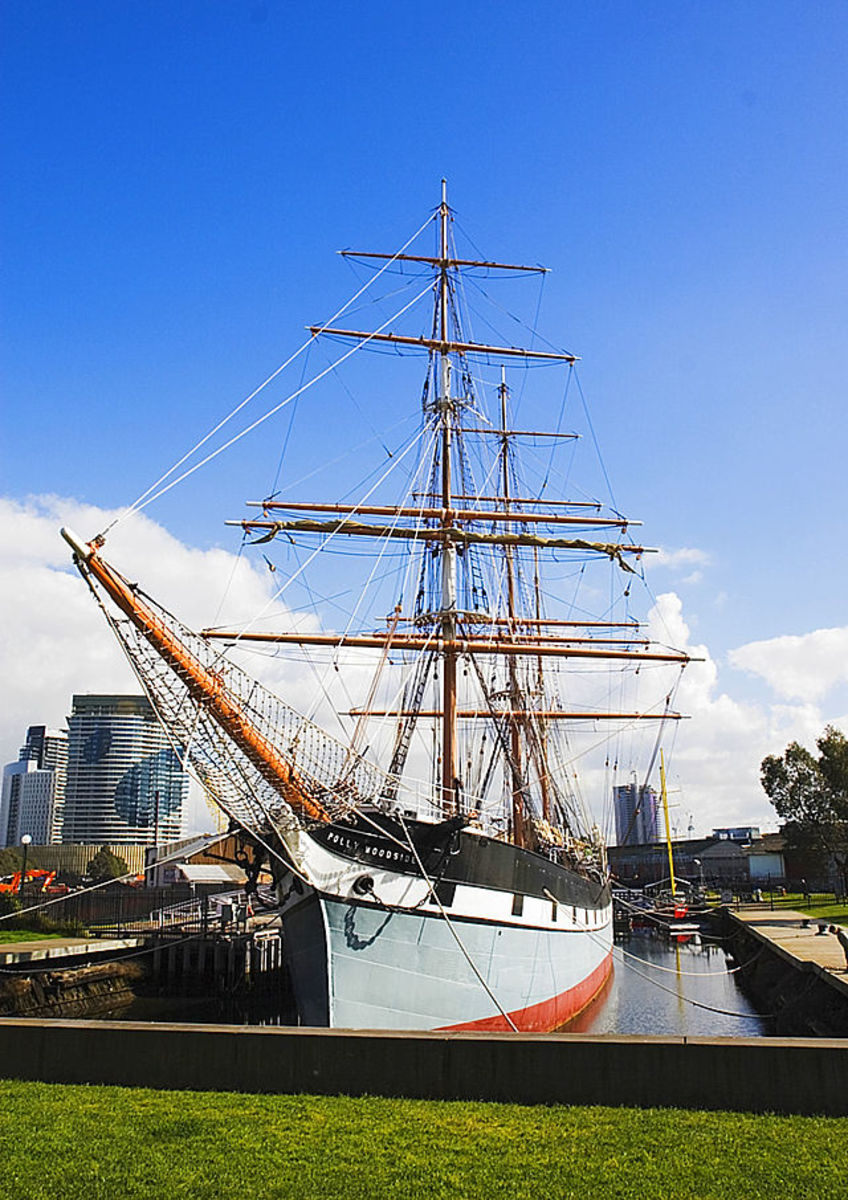
Be sure to see the Polly Woodside Tall Ship next to the Melbourne Exhibition and Convention Centre. It was built in 1885 in Belfast as a cargo ship transporting coal and wheat between England and South America. Explore the Polly Woodside and its history on site.
The Sandridge Bridge connects the north and south banks of the Yarra River. It was formerly a railway bridge and has been redeveloped for pedestrians and bikes. Be sure to look for the row of exhibit panels and sculptures depicting the history of immigrants arriving by train.
Children will have a blast at the Scienceworks Museum in Spotswood. This museum has hands-on experiments, scientific exhibits, and other demonstrations related to science education. There is also a Planetariumat Scienceworks where children can learn about the solar system and astronomy.
The first Italian migrants settled in the Lygon Street area in the 1850s. Today, Lygon Street has the largest selection of Italian food in the city. You will notice most of the restaurants and cafes have dining tables on the footpaths. Visitors enjoy the casual atmosphere chatting and dining outside in these cafes.
If you are after some bargain shopping in the city, take a tram to Smith Street, where there are lots of factory outlets with discounts on fashion items and sporting goods. You can find goods with brand names like Nike, Adidas, Icebreaker, Kathmandu, and Mountain Designs.

British explorer and navigator Captain James Cook was the first European to have contact with the eastern coastline of Australia. The Cooks’ Cottage was built by Captain Cook’s parents in England in 1755. It was deconstructed, and the bricks were packed and shipped to Australia, along with some ivy plants that were growing outside the cottage. The cottage was then reconstructed at the Fitzroy Gardens in Melbourne, using the same bricks, and the ivy plants were planted around the cottage.
Australia’s infamous Ned Kelly, criminals, and other gangsters spent time in the Old Melbourne Gaol. Take a tour and experience the gallows of Melbourne’s oldest prison.
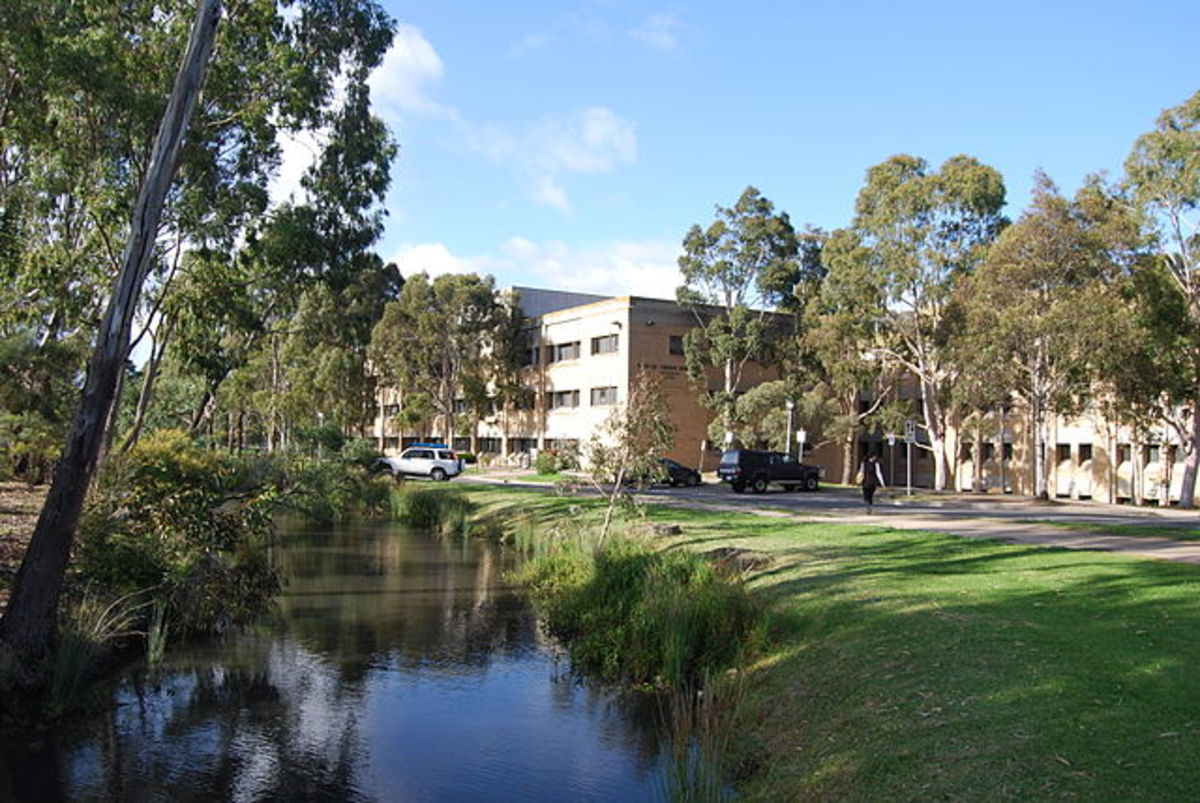
Take a tram ride to La Trobe University in Bundoora on Sunday and visit the Community Market in Car Park 2. This market features many stalls selling fresh fruits, vegetables, crafts, bric-a-brac, and plants. Open every Sunday from 9.00 a.m. to 1.00 p.m.
Located in the northern suburb of Bundoora Park, Cooper’s Settlement is home to baby lambs, cows, ponies, and other farm animals. Children can milk a cow, ride a pony, or go on a tractor ride. There is an animal gallery, a visitors centre, and a “Heritage Village” within the vicinity of the park.

Puffing Billy is a 100-year-old steam train that runs every day, carrying locals and tourists through the mountains from Belgrave to Gembrook. Enjoy a scenic ride through the Dandenong Ranges, with a stop at Emerald, the highest station on the journey. Hop off at Lakeside station and enjoy the day with a BBQ picnic or paddleboat ride on Emerald Lake, or continue on to explore the historic town of Gembrook.
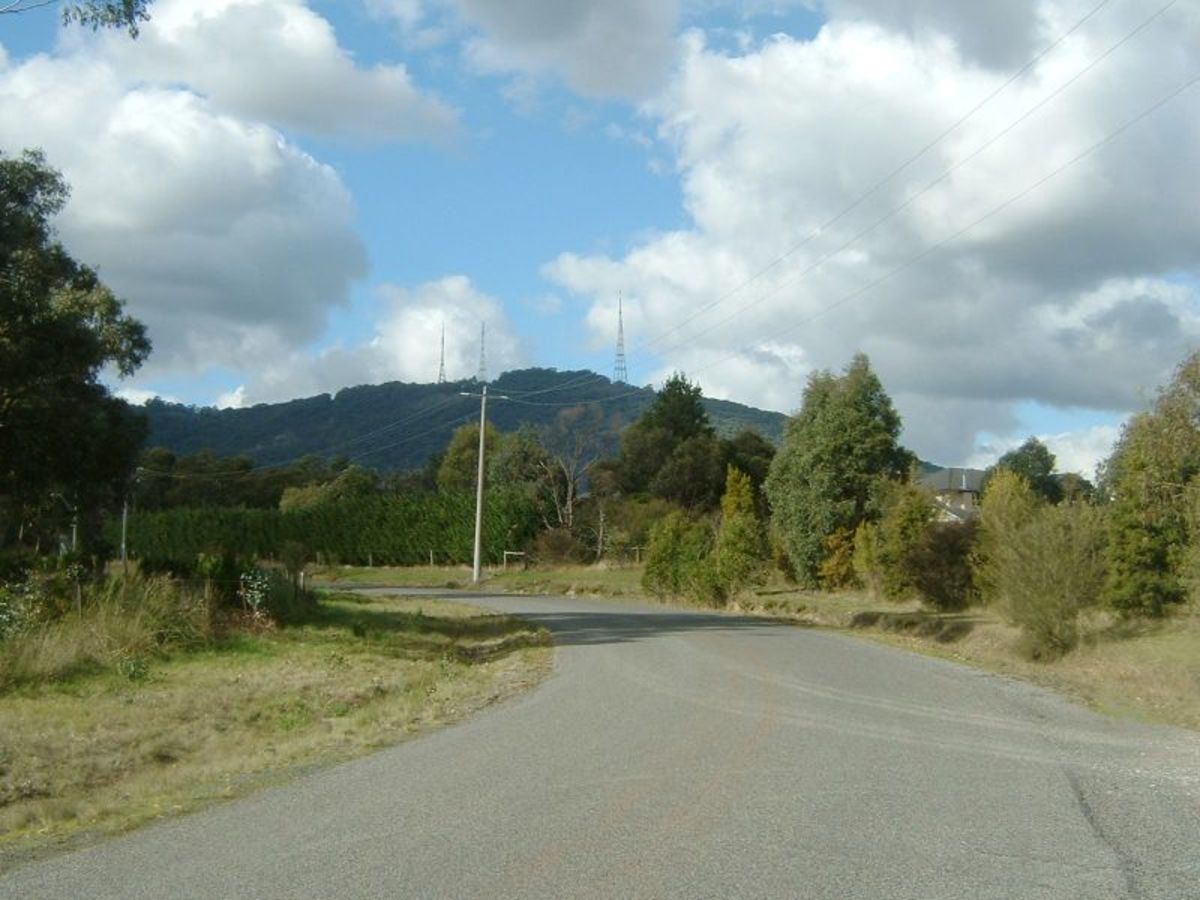
Travel 35 km outside of Melbourne towards Mount Dandenong and explore the tourist town of Olinda. There are local antique shops and crafts shops as well as some restaurants and cafes. Explore the walking tracks, flower gardens, and Olinda Falls.
Enjoy the taste of fresh handmade farmhouse cheese from the Yarra Valley Dairy Cheese Factory. Try some goat cheese with crackers and mascarpone ice cream at the Cheese Shop, or bring home a variety of soft cheeses.
The Warratina Lavender Farm is situated in the foothills of the Dandenong Ranges, one hour’s drive from Melbourne. The farm has acres and acres of lavender shrubs planted in orderly rows. Visitors to the farm are greeted by the lovely fragrance of the lavender flowers. Relax with a cup of lavender tea and some lavender cookies at the Lavender Cottage Tea House. There is also a selection of lavender items available for sale in the cottage store.

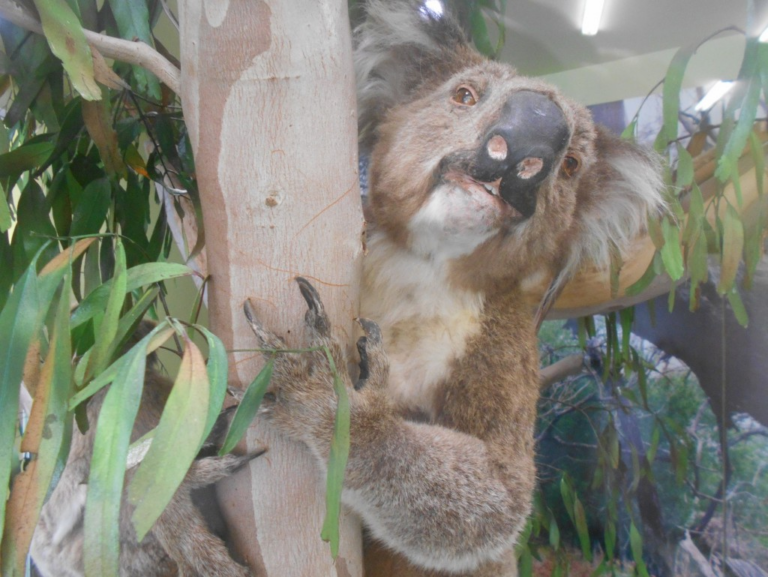
Kids and adults alike will love this zoo in the bushland, about 50 km northeast of Melbourne. The zoo specializes in native Australian animals. Come and meet kangaroos, wallabies, wombats, dingoes, and platypuses.
Travel to the Hedgend Maze in Healesvile. There are 20 acres of park area to explore here. The main attractions include the Giant Maze of hedges, mini-golf, giant checkers, native plants maze, and a lookout tower.
Phillip Island is 140 km southeast of Melbourne. The Penguin Paradeon Phillip Island is the main tourist attraction here, but it is also fun to visit the Phillip Island Wildlife Park, the Grand Prix Circuit, Purple Hen Winery, Coast Cruises, helicopter rides, and the Chocolate Factory.
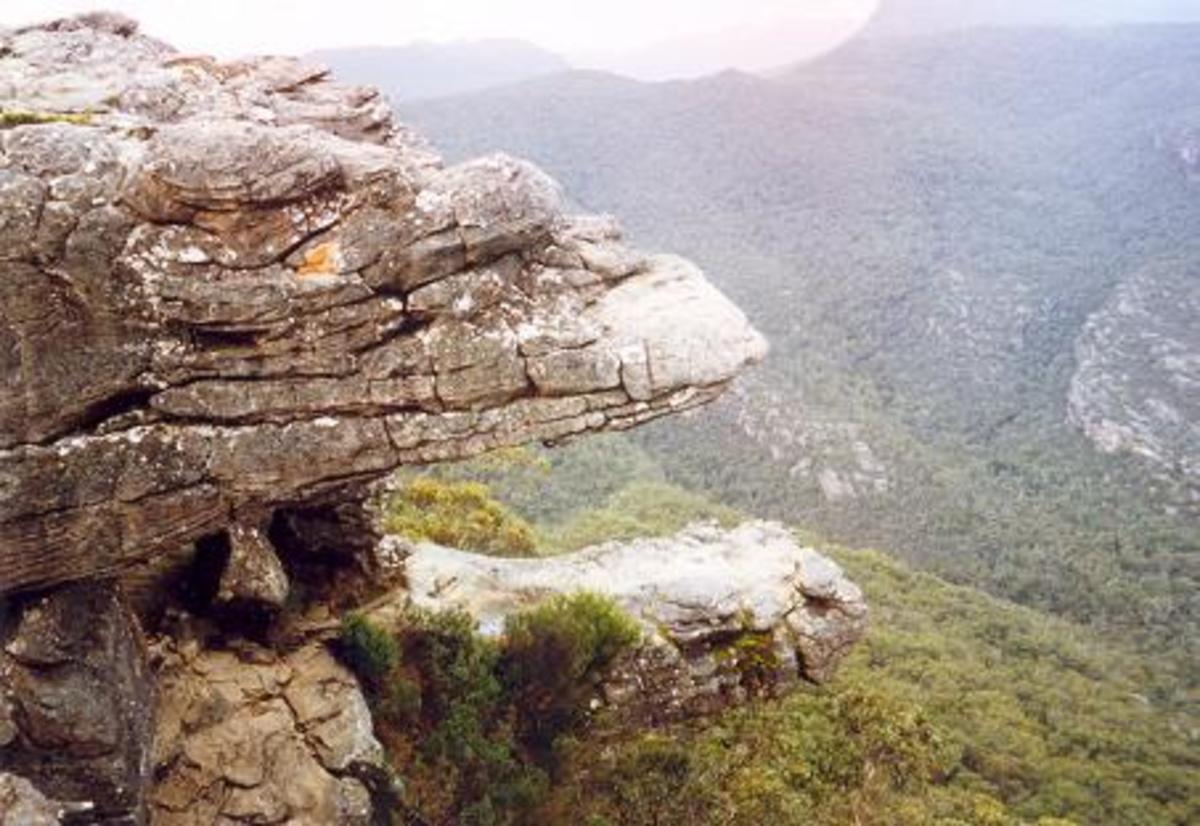
This rugged landscape has breathtaking views and attracts a million visitors every year. It is great for bushwalking, hiking, camping, fishing, rock climbing, and trekking.
The scenic Great Ocean Road meanders along the southeastern coast of Australia from Torquay to Warrnambool. Visitors will enjoy spectacular views of the ocean as they travel along one of Australia’s most scenic roads. Visit Torquay if you want to do some surfing or shop at the Plaza.
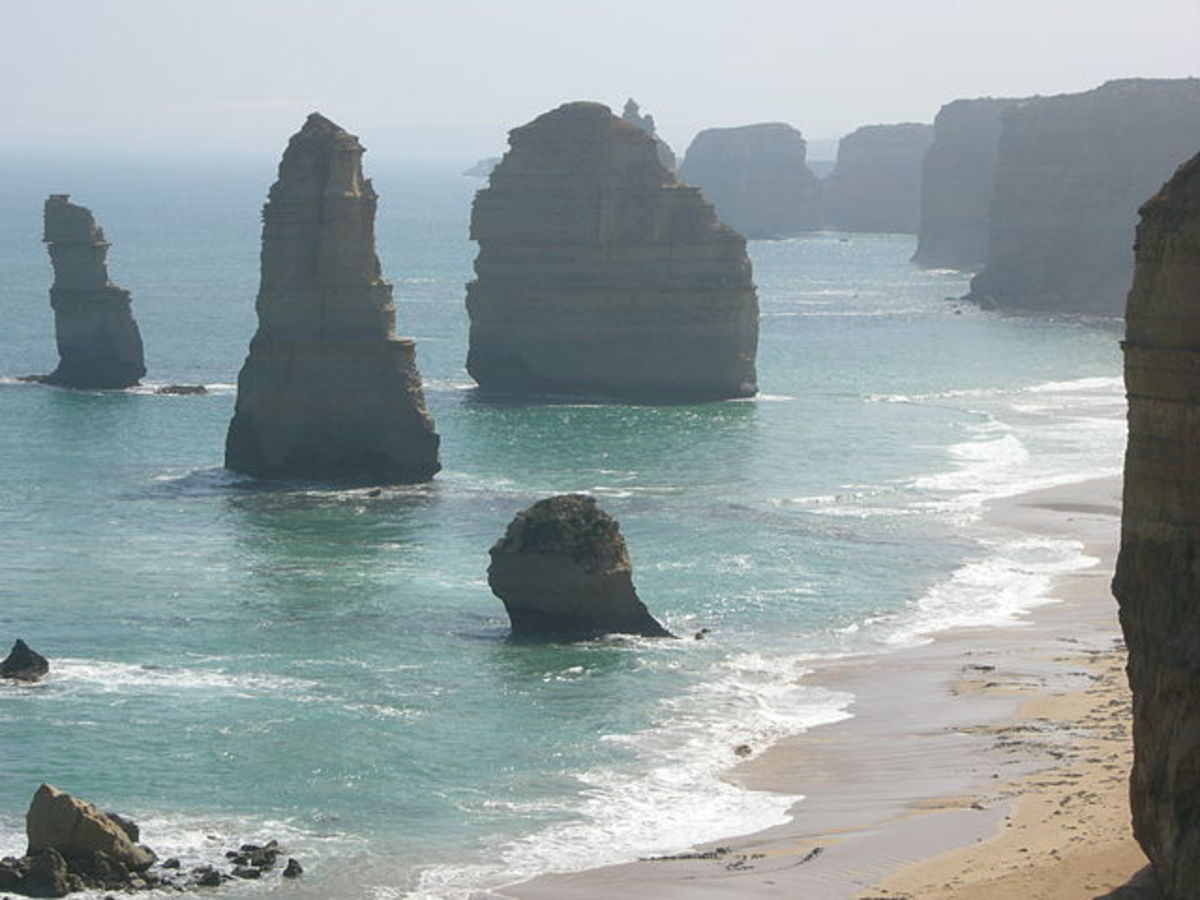
Your Great Ocean Road journey continues to the Twelve Apostles, which are limestone rock formations near the coast of Port Campbell National Park. Some of the limestones have collapsed under harsh erosion, so only eight remain standing.
The Mornington Peninsula is one hour from the city. Go and relax at the many beaches along the coastline of the peninsula, and do some fishing, scuba diving, or sailing. Visit some of the wineries, pick your own fruit at farms, play a game of golf, or hang out at the restaurants and cafes.
At the southern tip of the peninsula is Cape Schanck, about a 15-minute drive from Rosebud. The main attraction in Cape Schanck is the lighthouse and beautiful views of the rugged coastline.
Situated in Mornington Peninsula, the Enchanted Adventure Maze Garden is 15 hectares of parkland with several outdoor and indoor mazes. There are plenty of fun activities for children and adults, including the Tube Slide, and kids will definitely want to check out the candies at the Amazing Lolly Shop.
Back in Melbourne Central Business District, visit pedestrians-only Degraves Street, a narrow laneway that runs from Flinders Street to Flinders Lane between Swanston and Elizabeth streets. Degraves offers plenty of outdoor dining options along with some of Melbourne’s best coffee houses.
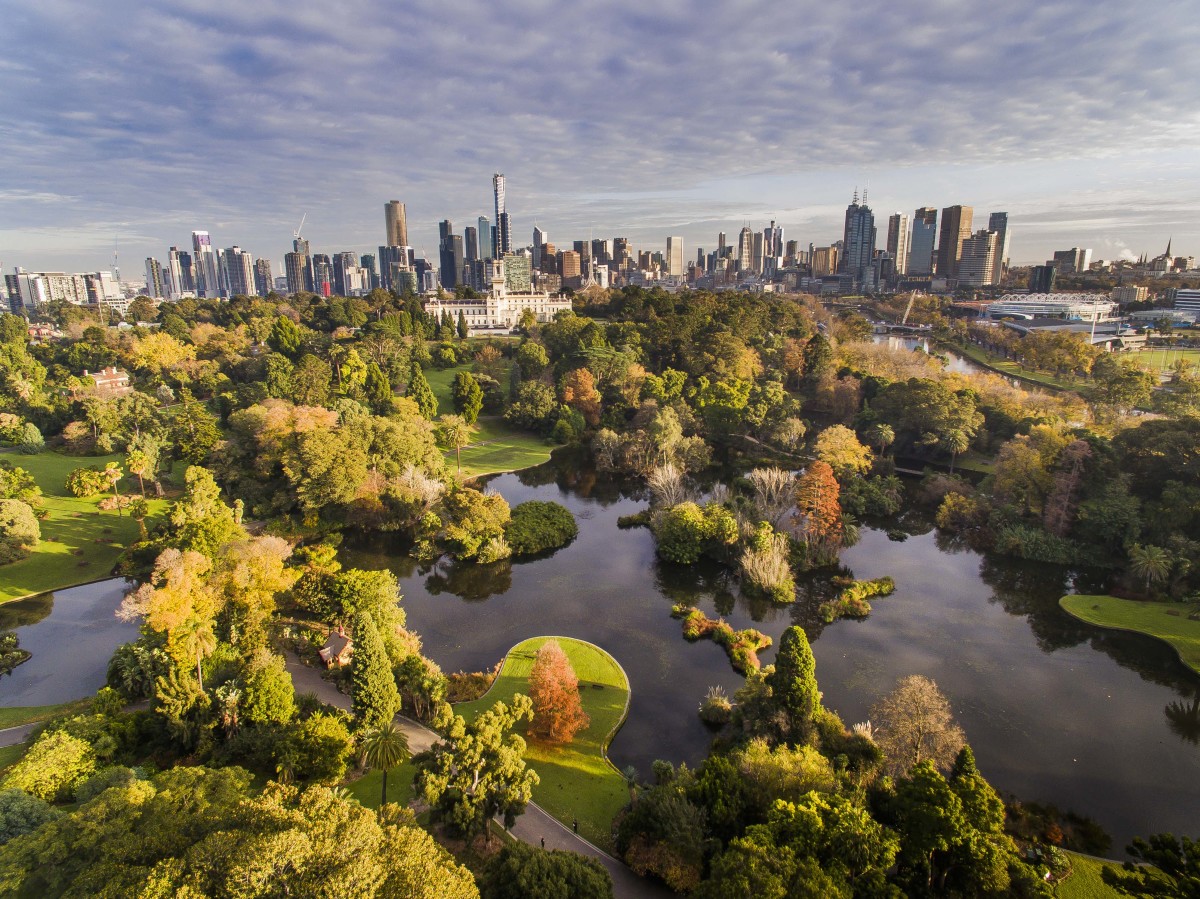
There are two botanic gardens in Melbourne. The oldest is the Melbourne Gardens, which were established in 1846 on the south side of the Yarra River. It features 36 hectares that slope down to the river with trees, garden beds, lakes, and lawns. There are some 8,500 different species represented in 30 living plant collections.
The second garden is Cranbourne Gardens, opened in 1989 on the city’s south-eastern edge to display Australian native plants. This is a wild garden known for its biodiversity conservation efforts.
From mid-September to mid-October visitors can enjoy the Tesselaar Tulip Festival, a month of special events with beautiful blooming scenery. Events include jazz concerts, Irish weekend, Turkish weekend, Dutch weekend, and free entry for children on certain days.
© 2011 lady rain
About the author

Lady Rain lives in Australia and enjoys writing about travels, paper quilling crafts and historical events.



.jpg)


