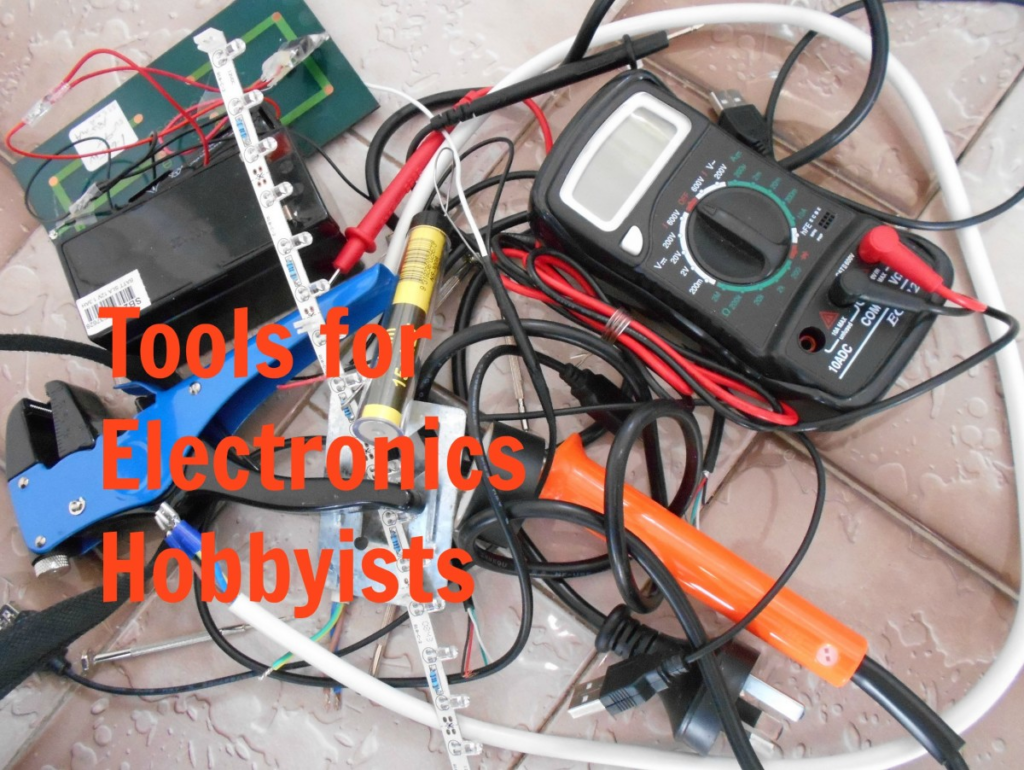
There are many tools you’ll need for electronics projects as a hobby. Tools can be expensive but some tools can last a lifetime. However, others might only be used a couple of times for specific projects. You do not need to buy all the tools that are available in the stores. In actual fact, you only need a handful of good tools that are durable to practise your hobby. Beginning an electronics experiment only needs a few packets of electronic parts plus some basic items. Other electronics components can be purchased whenever required. This list covers the essential tools needed for all levels of electronics enthusiasts.
A soldering iron is needed to solder the electronics components together. Typically, a cheap soldering iron won’t have temperature control, but it is still great for many electronics hobbyists. With proper usage, most soldering irons are quite durable.
A soldering iron station will cost a bit more money to purchase. It comes with a temperature controller, a soldering iron stand and a cleaning sponge. Without the stand, you will have to be careful where you place the hot piece of rod. The soldering iron will burn and melt anything that is on your work desk when your hands are too busy to hold on to the tool!
The sponge needs to be wet with water and squeezed dry before use. The wet sponge is for cleaning the soldering iron tip. The iron tip is detachable. So, if the tip gets all worn out and rusty, there is no need to buy another new soldering iron station. Just replace the old tip with a new one for a few dollars.
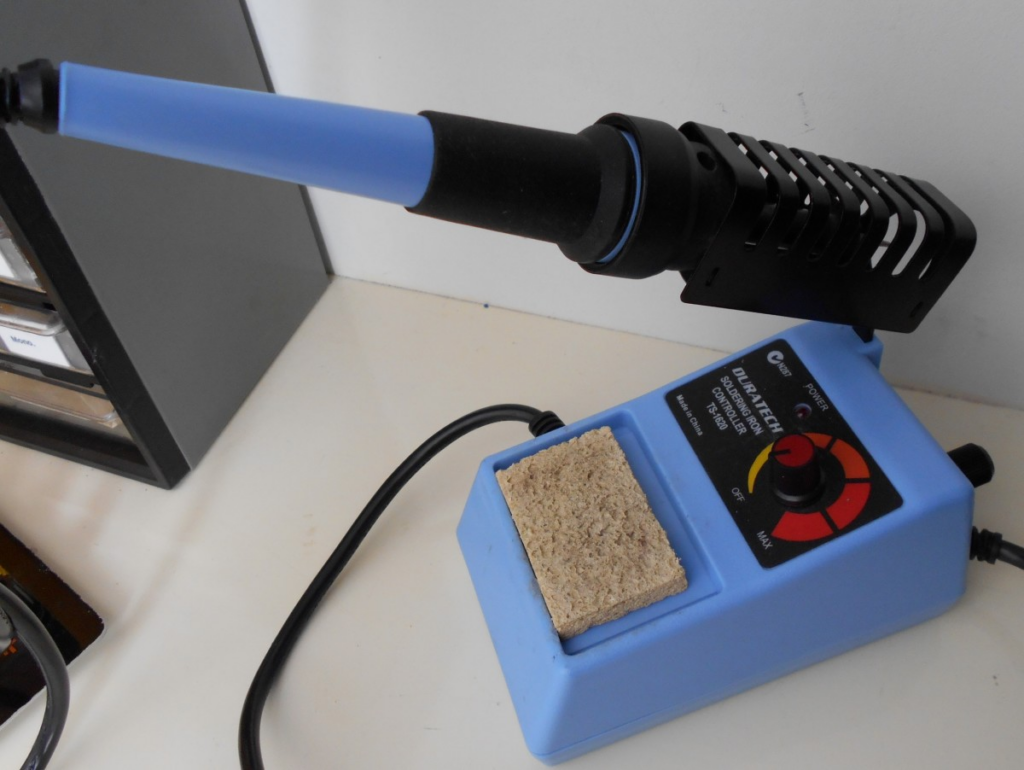
Put two pieces of metal together where they need to be joined. Touch the joint where the two pieces are touching with the hot tip of the soldering iron for a few seconds to heat them up. Introduce the solder at the joint so that it touches the soldering iron. The solder will melt and flow into the joint. Slowly take the soldering iron away. The solder at the joint will cool down in a couple of seconds and the two metal pieces will be joined together.
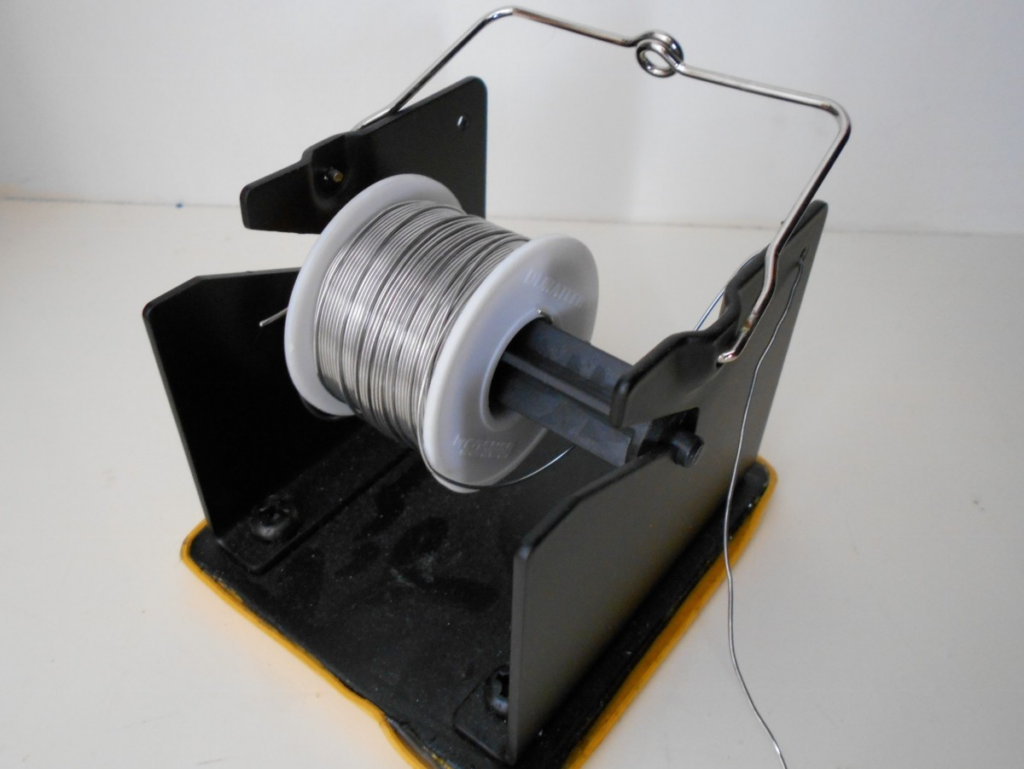
Solder is for joining metal pieces together. The soft solder wire comes in tubes and rolls of different sizes depending on how much you will need for your projects. Solder wire is made of tin and lead. 0.5mm to 1mm wires are generally good for hobby projects. The solder melts readily when it comes in contact with a hot soldering iron at above 180°C.
A large roll of solder with a heavy stand can set you back about $40 but it is a good investment if you are going to do a lot of soldering. Smaller rolls are cheaper but they run out pretty fast too.
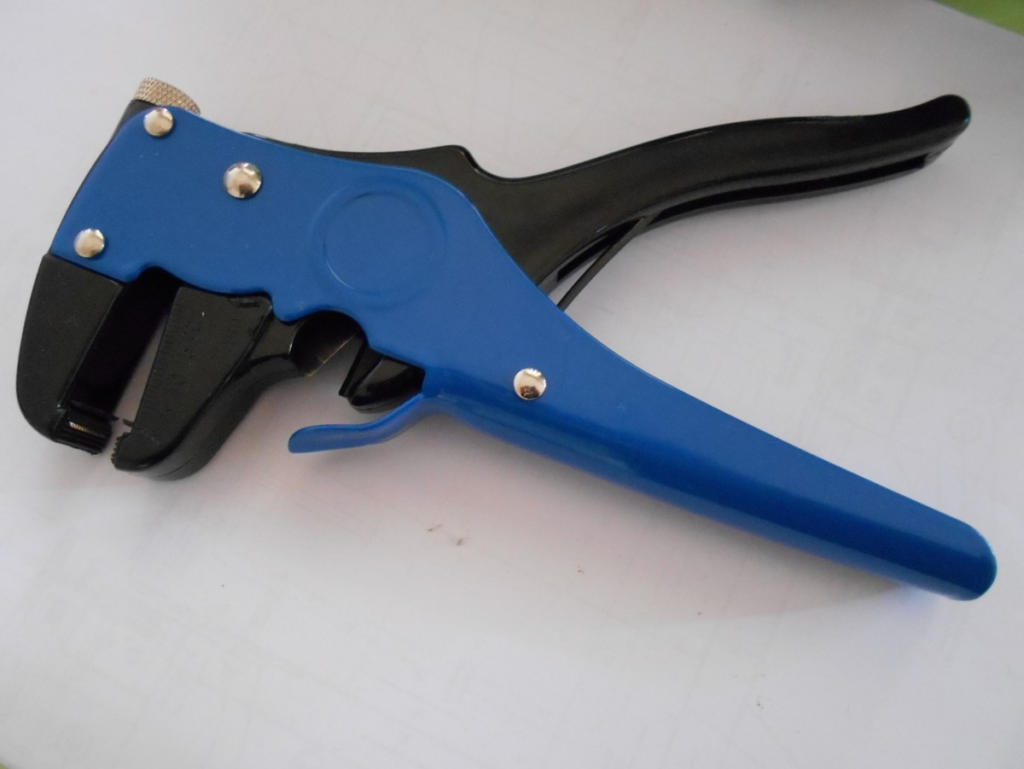
Side cutters are required for cutting wires and electronics components. A long time ago, I used cutters and scissors to carefully strip away the insulation from the wires. It was a tedious job and delicate parts of the wires often get cut or removed accidentally.
Luckily, a wire stripper tool is now more affordable and available in most hardware stores. It is very useful for removing the insulation from the wires quickly without damaging the wires. The tool can be used on insulated wires with different diameters. A wire stripper also has a side cutter included on the tool itself. A really useful tool to have.

Buy Goplus Powered Electric Wire Stripping Machine
One set of pliers with non-slip handle grips is good enough to add to your tool collection. Most pliers can be used for cutting wires too.
A set of precision screwdrivers is essential for small electronics projects. Regular sized screwdrivers are required for bigger components, so go and get some good quality screwdrivers.

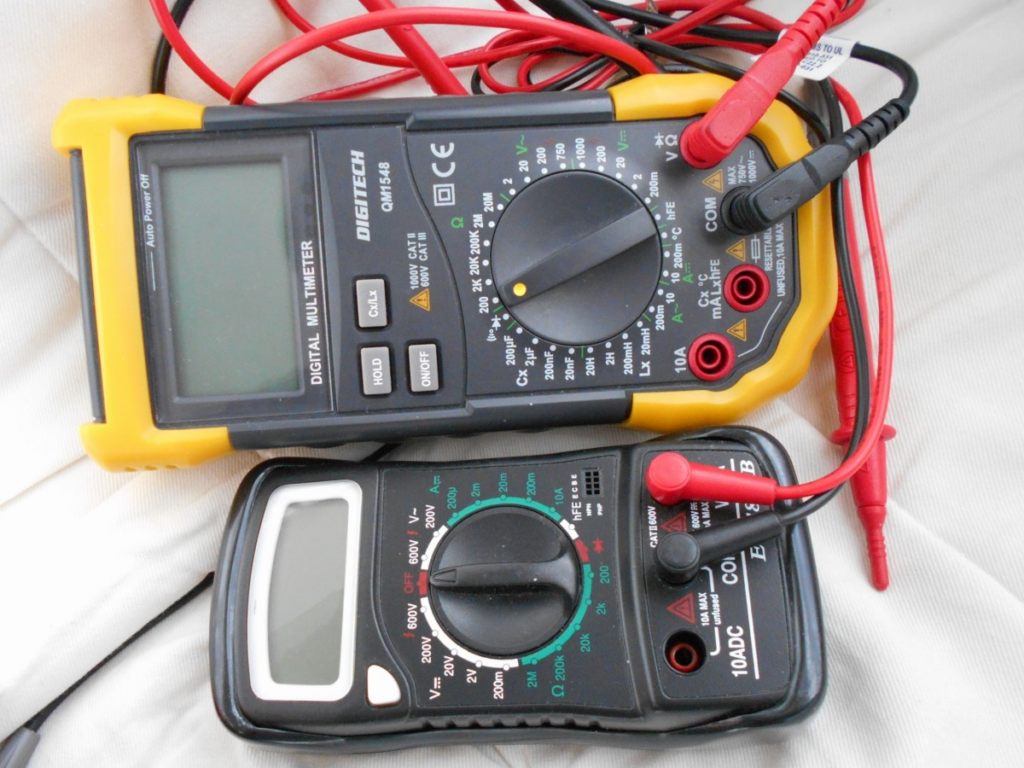
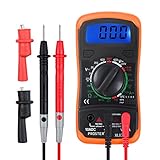
A multimeter is a voltmeter, ammeter, ohmmeter and more – all-in-one device! You will need a multimeter at some stage for trouble-shooting and testing out your electronic circuits. Multimeters range from under $10 to a couple of hundred dollars.
A basic multimeter is able to measure voltage, current, resistance and other parameters. Most digital multimeters need a 9V battery to operate. Remember to read the instructions on how to use the multimeter with the correct settings, otherwise the multimeter might get busted with the wrong settings!
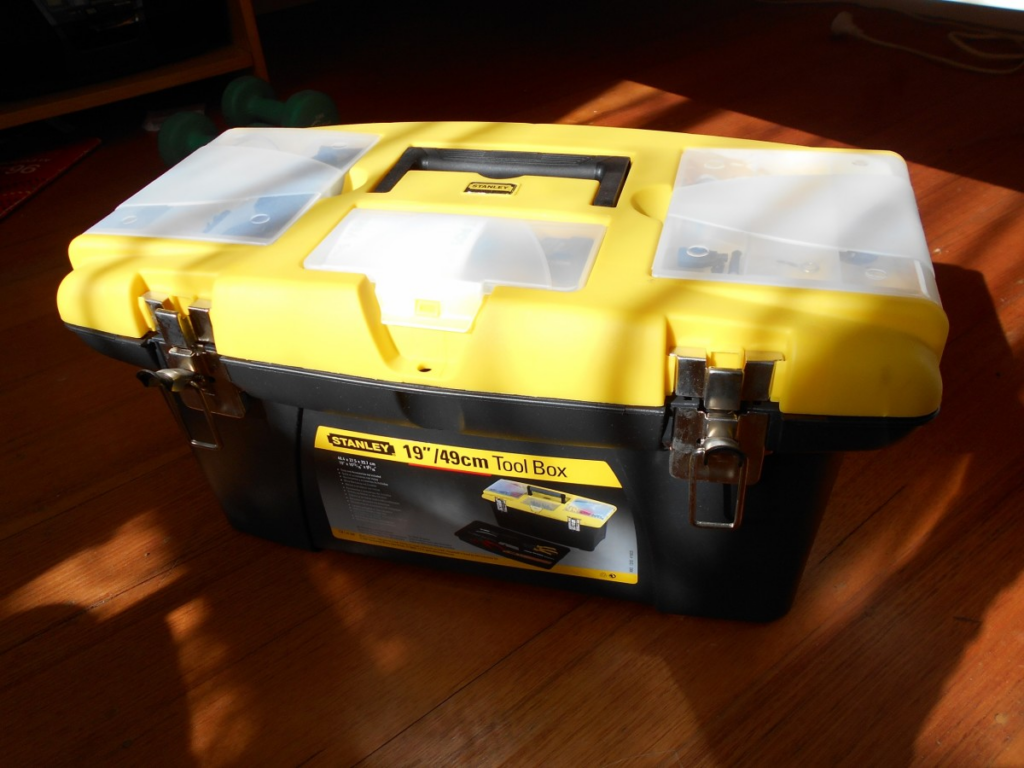
A toolbox keeps all your electronics tools and items organised in one place.
Small electronics components like resistors, capacitors, diodes, LEDS and such should be organised in storage boxes and labelled accordingly. All resistors and capacitors look the same and they get mixed up easily if they are kept together. Storing them in separate compartments makes it easy to find them when you need them quickly. A hardware cabinet with many small drawers is an impressive storage for small electronic spare parts.
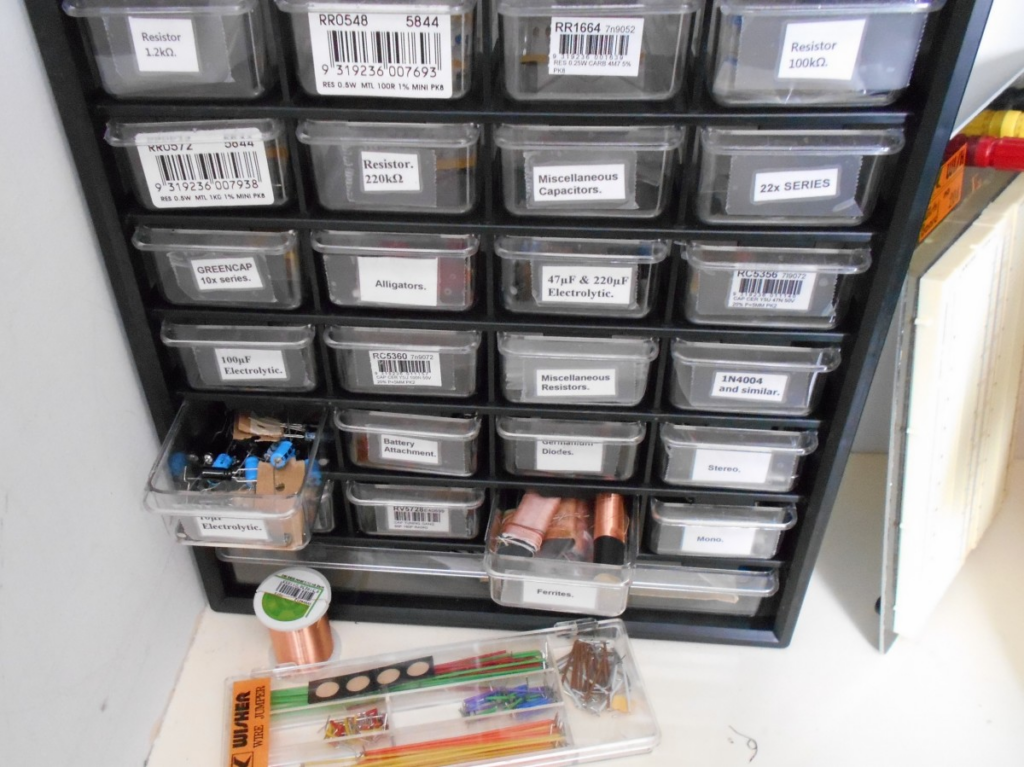
Buy this Akro-Mils 24-Drawer Plastic Drawer Storage Cabinet for Garage Organization
Electrical and PVC tapes are necessary for covering the exposed parts of the wires to prevent them from touching and getting short circuited. A couple of rolls of electrical tapes should be enough for use.
A great item for beginners and for testing out temporary circuits. Rather costly but a fun item to have without using the soldering iron.

The table below is just a rough guide of the prices of some electronics tools to start a hobby. You might want to pay more for better quality tools or whatever prices that suit your personal budget. You can find a good range of electronics tools and components online at amazon.com, ebay.com, Jaycar and Altronics.
| Item | Price |
|---|---|
| Duratech soldering iron station | $60 |
| Solder stand with solder roll | $36 |
| Duratech multimeter | $40 |
| Wire stripper | $17 |
| Stanley pliers set | $30 |
| Screwdriver set | $10 |
| Stanley toolcase | $30 |
| Storage boxes set | $20 |
| Pack of wires | $5 |
| Pack of adhesive tapes | $3 |
| Breadboards | $15-$30 |
| Resistors, diodes, capacitors, LEDs | $1-$10 per piece |
| Batteries | $2-$10 each |
© 2015 lady rain