Lavender is an aromatic shrub with purple or blue flowers. The flowers are harvested for the production of lavender essential oil, which has antiseptic, anti-inflammatory, and anti-stress properties. Lavender oil is used in aromatherapy for relaxation and can be found in skincare products.
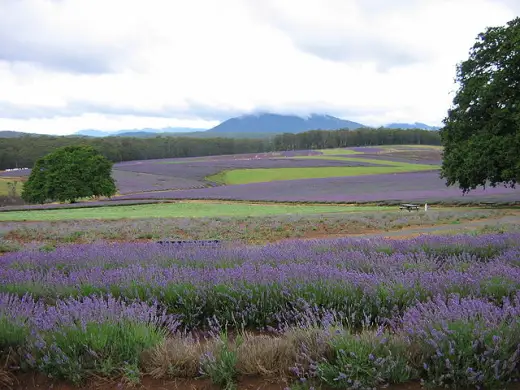
The most popular method of propagating lavenders is from cuttings. This method of propagation is fast and produces exact replicas of the original plants.
Lavenders can also be germinated from seeds, but it is slow to do and the seeds have a low germination rate. In addition to that, the seedlings take a while to grow before they produce any flowers.
Lavender needs plenty of sun and well-drained soil to grow, with a pH of 6.5–7.5. Organic matter like compost helps to balance the pH of the soil. Avoid waterlogged soils because lavenders will not thrive with soggy roots. Plants should be planted on a raised mound in areas with high humidity. This allows plenty of air circulation for the plants. Prune the lavender plants every year to promote growth and extend the life of the plant.
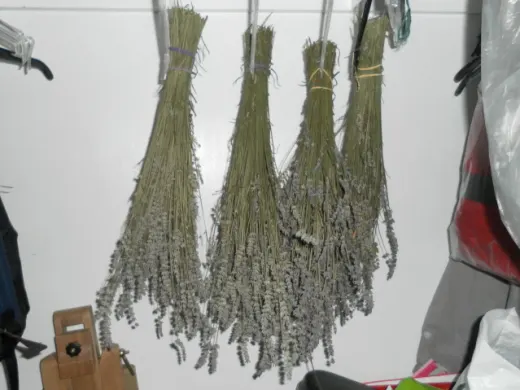
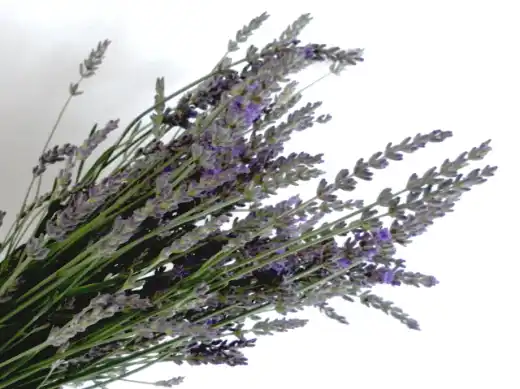
Lavender flowers are made into beauty products, handmade craft items, and used in cooking. It is easy to harvest and dry lavender flowers. The flowers are harvested when the buds have not opened. The best time to harvest lavender buds in Australia is around early summer in December.
The flowers are harvested by cutting about 30 cm of the flower stem from the plant. Cut off enough stems to make a bunch. Tie the end of the stems together with a string or elastic band. Hang the bunch of lavender flowers upside down in a dry, dust-free, and dark place, like a ventilated closet. Leave the flowers to dry for several weeks. The process of drying preserves the lavender flowers.
Remove the flowers from the stems and use them for potpourri. The flowers can also be stored in an airtight container to retain their fragrance.
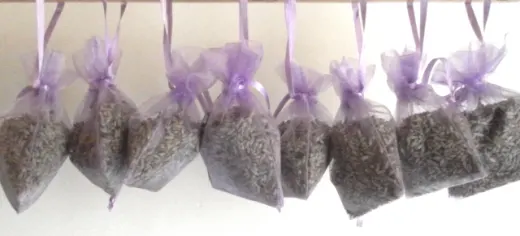
Fill small sachet bags with dried lavender flowers. Put a bag of lavender in the drawer to keep linen fresh, or hang it in the wardrobe for a light scent of lavender.
For a good night’s sleep, fill a small cotton muslin bag with dried lavender flowers and place it inside the pillowcase of your pillow. The fragrance helps to relax the mind and promote sleep.
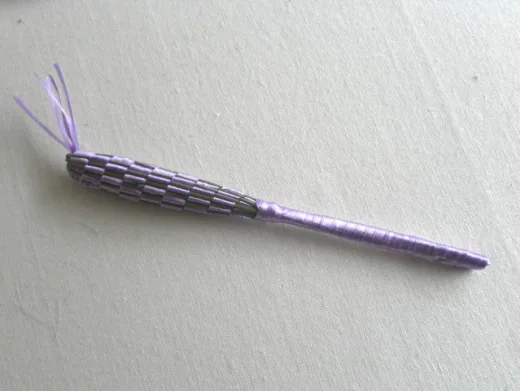
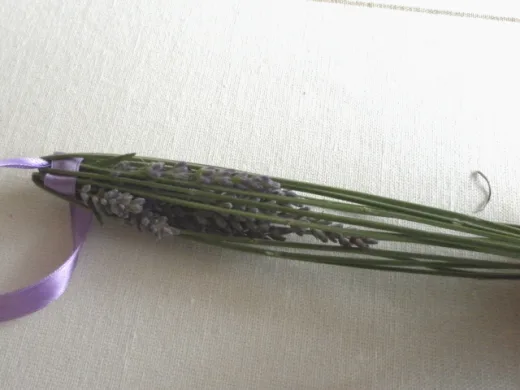
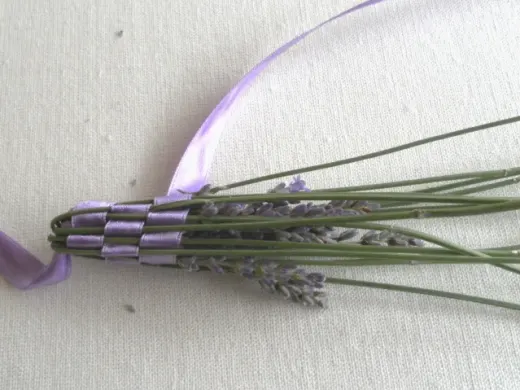
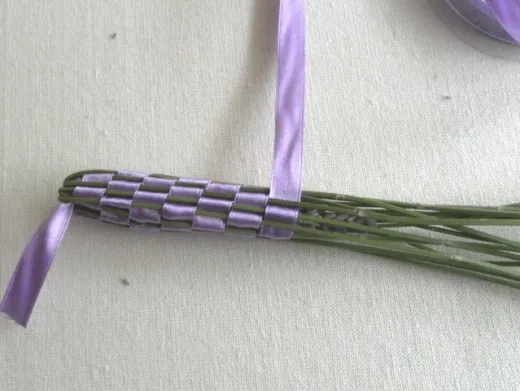
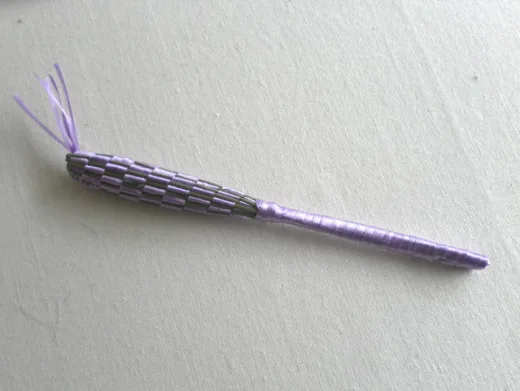
Lavender wands are fun and easy to make. They make great gifts for friends and for hanging around the house. When they start to lose their fragrance, just give them a gentle squeeze on the top for the flower buds to release their fragrance. They stay fresh for years and the fragrance can be renewed with a few drops of lavender oil.
Not all lavender flowers are suitable for culinary preparations. Culinary lavender flowers are available from lavender farms and some health stores. The dried flowers of Munstead, Intermedia, and English lavenders are suitable for cooking. Baked foods, syrups, jams, desserts, and beverages with sweet lavender flavours make these treats so special and sensational.
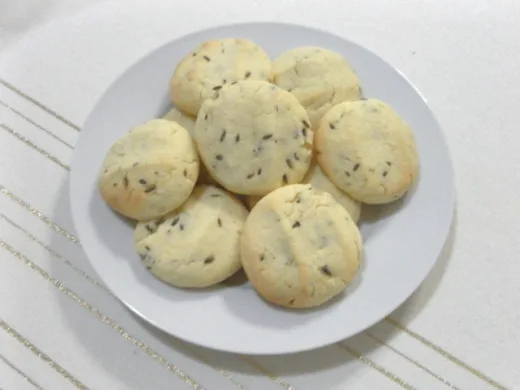
A great way to create those special moments with lavender flavours at home is to make some cookies yourself. This is a gluten-free recipe for sweet lavender cookies for everybody in the family, whether they are on a gluten-free diet or not. The cookies are really awesome and nobody would even notice they are gluten-free.
Fruit jellies and preserves made with a different flavour are something to look into this summer. Lavender flowers can be added to jams and jellies for an interesting new flavour. This is a quick recipe for lavender jelly.
Put lavender flowers, citrus juice and cold water in a pot and bring to a boil. Simmer for twenty minutes to extract the lavender flavour. Strain the liquid and discard the flowers. Add in pectin. Simmer and stir until the pectin has dissolved.
Stir in sugar and let it dissolve. Boil mixture on high heat for 5 minutes. Pour into jars and store in the fridge.
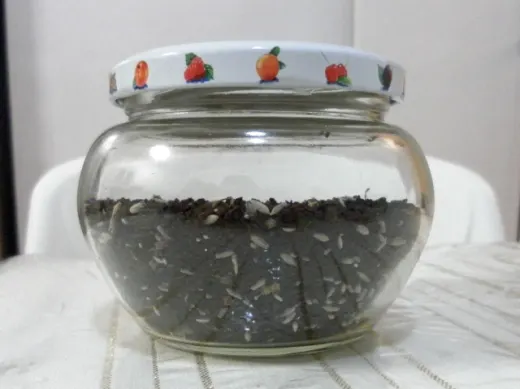
There is nothing more refreshing than to sit down and enjoy a cup of lavender black tea to revitalise your energy after a busy morning.
It only takes a minute to make a homemade mixture of lavender black tea. Mix ten tablespoons of Lipton’s black tea leaves with two tablespoons of dried lavender flowers. Mix the two ingredients together and store them in an airtight jar.
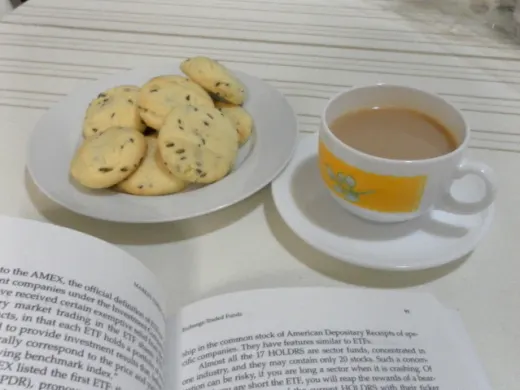
To make a cup of lavender black tea, infuse one teaspoon of the mixture in a cup and steep for five minutes. Strain before drinking. Add milk and sugar if preferred. Serve with lavender cookies and relax with your favourite book or magazine.
© 2011 lady rain

About the author
Lady Rain lives in Australia and enjoys writing about travels, paper quilling crafts and historical events. She wrote on HubPages for 14 years.